
Know the ’verse.
Nine centuries of history, people, places and species. RSI’s Galactapedia, actually readable.
“sol i” in Moons
28 articlesDeimos (Sol 4b)
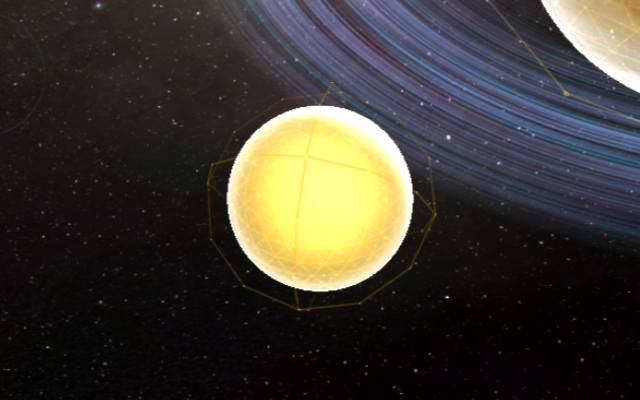
Deimos (Sol 4b) is the second and farthest moon from the surface of Mars (Sol IV), United Empire of Earth (UEE). At only 6.2 kilometers in diameter, it bears a strong resemblance to an asteroid. One leading theory…
 Location
Titan (Sol 6a)
Titan (Sol 6a) is a moon of Saturn (Sol VI), United Empire of Earth (UEE). The largest of Saturn's moons, its nitrogen-methane atmosphere is denser than that of Earth (Sol III). Titan is dotted with lakes and rivers of…
Ariel (Sol 7b)
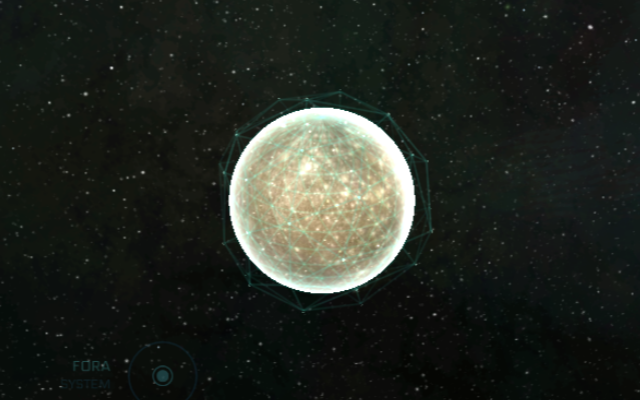
Ariel (Sol 7b) is a moon of Uranus (Sol VII), United Empire of Earth (UEE). Scientists speculate that the many scarps, canyons, and ridges carved into the moon's surface were created in the distant past by liquid forms…
 Location
Callisto (Sol 5d)
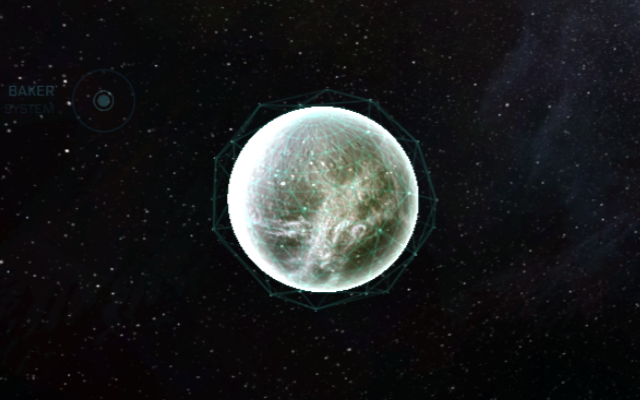
Callisto (Sol 5d) is a moon of Jupiter (Sol V), United Empire of Earth (UEE). Of all the celestial bodies in the Sol system, Callisto's surface is the most heavily cratered. Because it has never been geologically…
 Location
Dione (Sol 6d)
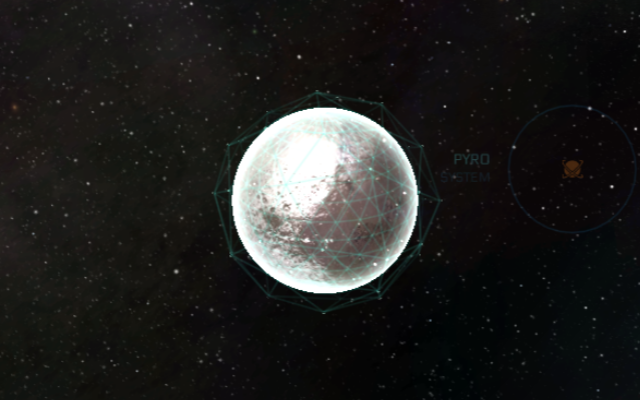
Dione (Sol 6d) is a moon of Saturn (Sol VI), United Empire of Earth (UEE). Marked with numerous impact craters and chasmata, it is theorized that Dione went through a period of heavy meteor strikes in the distant past…
 Location
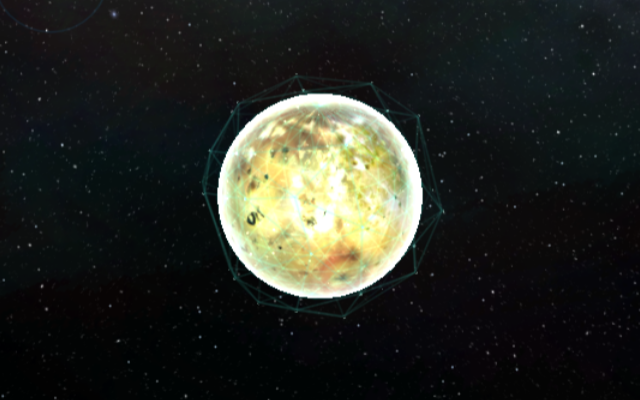
Iapetus (Sol 6e)
Iapetus (Sol 6e) is a moon of Saturn (Sol VI), United Empire of Earth (UEE). Tidally locked to Saturn, the leading hemisphere of the moon is much darker than that of the trailing hemisphere, giving it a striking…
 Location
Io (Sol 5a)
Io (Sol 5a) is a moon of Jupiter (Sol V), United Empire of Earth (UEE). Due to tidal heating and the presence of a subsurface ocean of molten and solid rock, Io is the most geologically active object in the Sol system.…
Miranda (Sol 7a)
Miranda (Sol 7a) is a moon of Uranus (Sol VII), United Empire of Earth (UEE). Round and tidally locked, it has an unusually high orbital inclination that suggests in the past that it was in orbital resonance with…
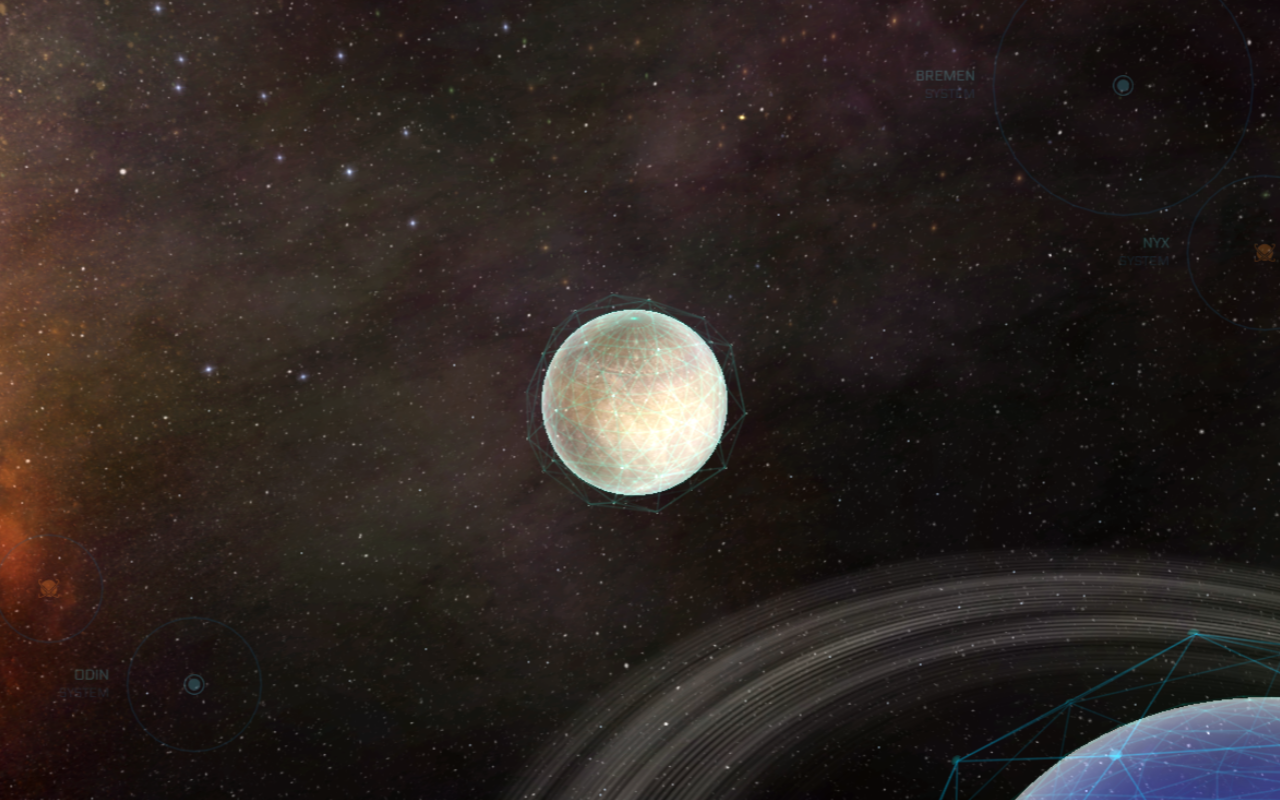
Titania (Sol 7d)
Titania (Sol 7d) is a moon of Uranus (Sol VII), United Empire of Earth (UEE). The largest of Uranus' moons, its surface is scored with enormous canyons and scarps. Under its surface is a mantle of slushy ice that sits…
 Location
Triton (Sol 8a)
Triton is a moon of Neptune (Sol VIII), United Empire of Earth (UEE). The largest of Neptune's moons, it the planet's only natural satellite massive enough to have achieved gravitational rounding. Additionally, even…
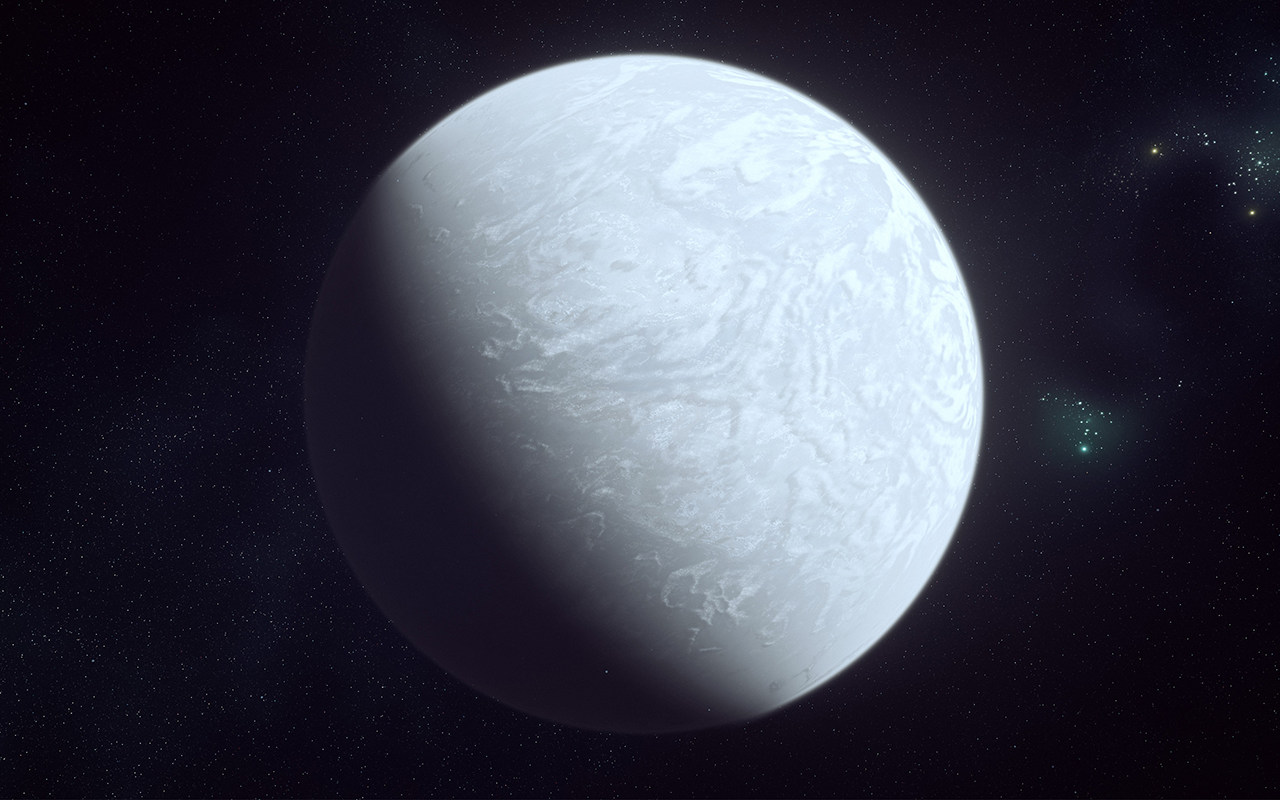
Umbriel (Sol 7c)
Umbriel (Sol 7c) is a moon of Uranus (Sol VII), United Empire of Earth (UEE). One of the darkest in color of the moons of Uranus, one of its larger craters has a ring of reflective material on its floor, making Umbriel…
 Location
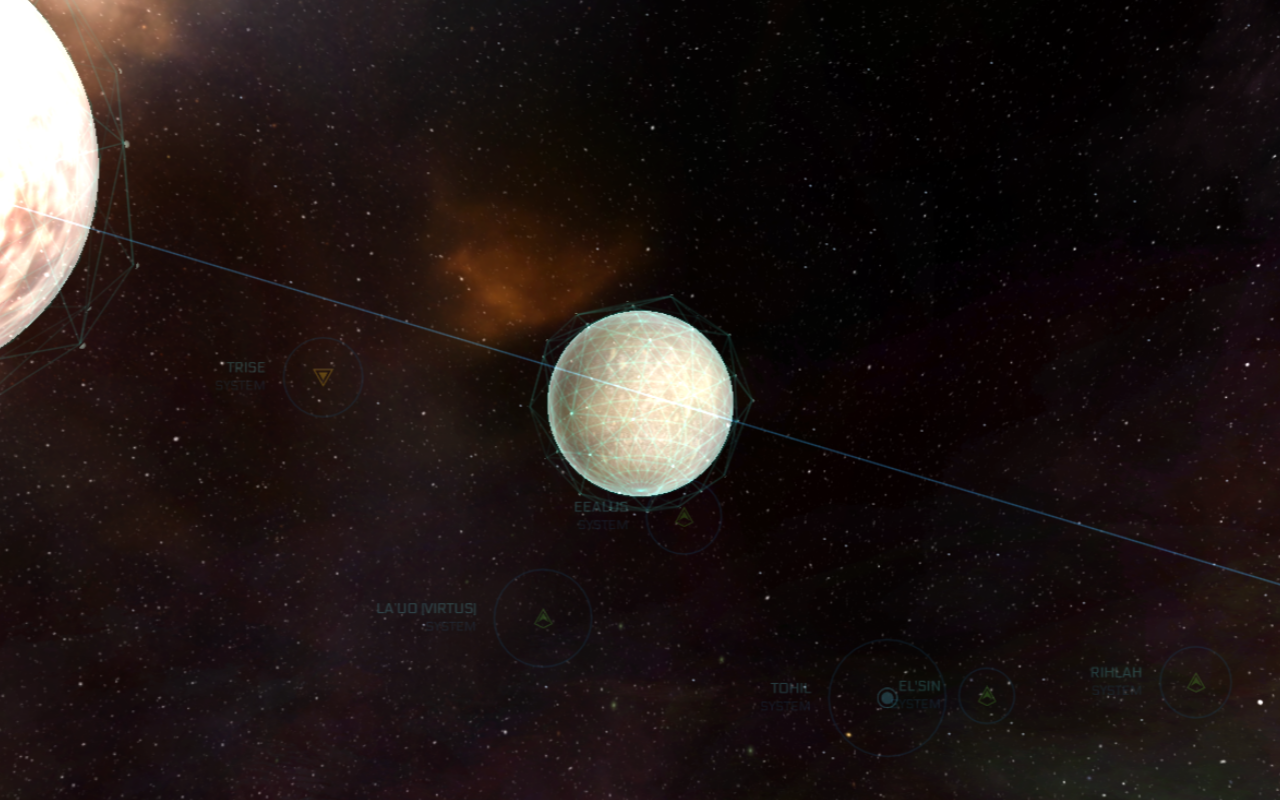
Calliope (Stanton 4a)
Calliope is a cold, windy moon of microTech (Stanton IV), named after the mythical muse of epic poetry and eloquence from ancient Earth (Sol III). Due to the high winds and extreme cold, weather suits worn by visitors…
 Location
Charon (Sol 9a)
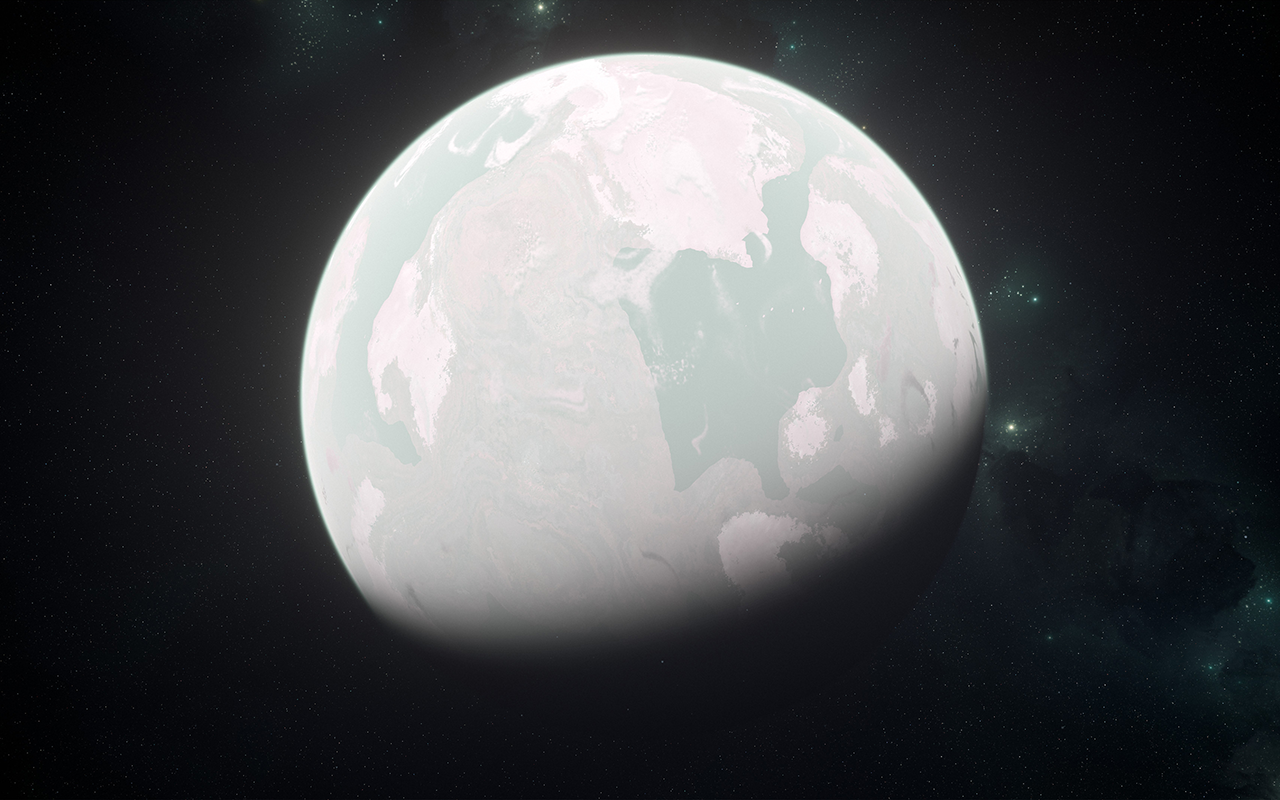
Charon (Sol 9a) is a moon of Pluto (Sol IX), United Empire of Earth (UEE). The largest of the dwarf planet's five natural satellites, Pluto and Charon are mutually tidally locked to one another and orbit a common…
 Location
Clio (Stanton 4b)
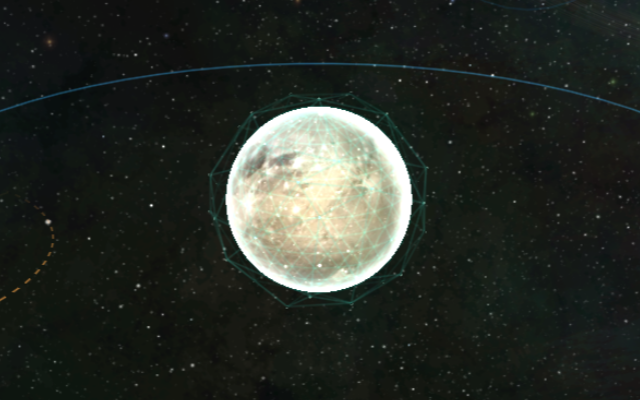
Clio is the second-closest moon to microTech (Stanton IV), and is a popular destination for tourists due to its liquid oceans and pink and teal sky. It was named for the ancient Earth (Sol III) muse of history in order…
 Location
Ganymede (Sol 5c)
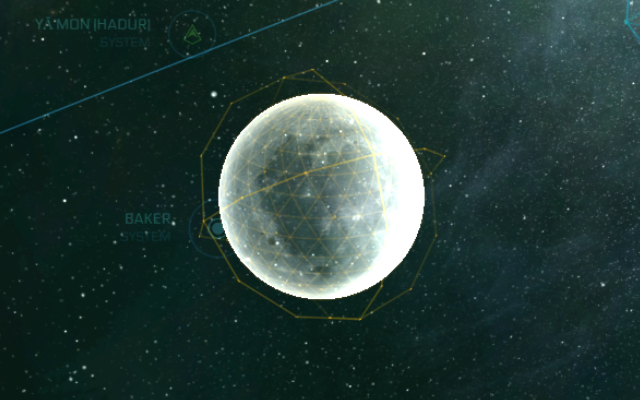
Ganymede (Sol 5c) is a moon of Jupiter (Sol V), United Empire of Earth (UEE). The largest moon in the Sol system, its diameter is greater than that of the planet Mercury (Sol I). Before Ganymede's subsurface ocean was…
 Location
Luna (Sol 3a)
Luna (Sol 3a) is the moon of Earth (Sol III), United Empire of Earth (UEE). Tidally locked to Earth, it has long been a subject of fascination for Humans, and became the first celestial body they visited in SEY 1969. In…
Phobos (Sol 4a)
Phobos (Sol 4a) is the closest moon to Mars (Sol IV), United Empire of Earth (UEE). The larger of the planet's two satellites, it is a non-spheroid object with a jagged surface covered in grooves and streaks. In the…
 Location
Caliban 2a
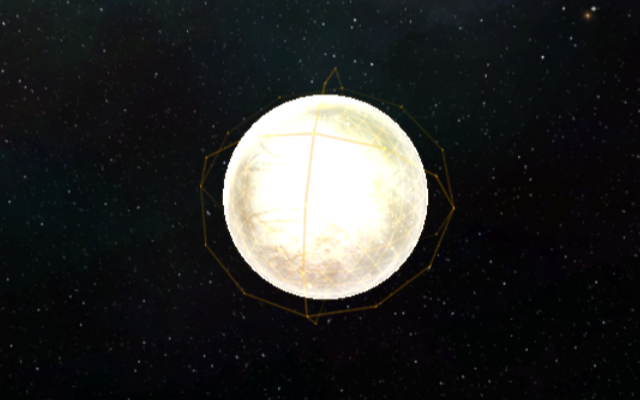
Caliban 2a is the sole moon of Crion (Caliban II), located in the Caliban system in Vanduul territory. Its yellowish surface is covered in unusual craters which were the subject of a long-term study to determine their…
 Location
Europa (Sol 5b)
Europa (Sol 5b) is a moon of Jupiter (Sol V), United Empire of Earth (UEE). Coated with a sheet of water ice that hides a brackish ocean, its surface is crisscrossed with vast cracks that appear when tidal heating…
Oberon (Sol 7e)
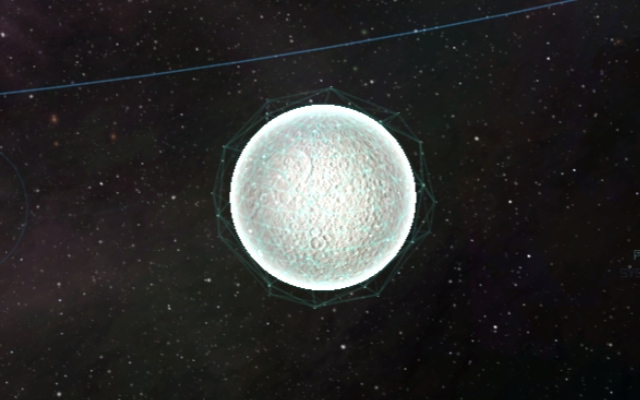
Oberon (Sol 7e) is a moon of Uranus (Sol VII), United Empire of Earth (UEE). Slightly red in color, it likely obtained its hue from the accretion of materials from other parts of the Uranus system. Meteorite impacts…
 Location
Rhea (Sol 6b)
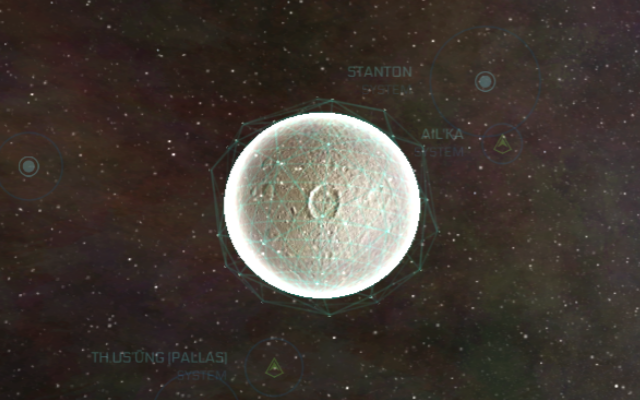
Rhea (Sol 6b) is a moon of Saturn (Sol VI), United Empire of Earth (UEE). Composed of water ice and rock, it has numerous high-albedo ice cliffs that appear as streaks on the surface when viewed from space with the…
 Location
Tethys (Sol 6c)
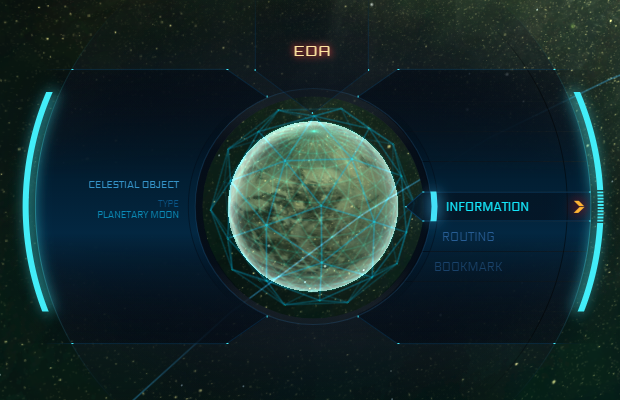
Tethys (Sol 6c) is a moon of Saturn (Sol VI), United Empire of Earth (UEE). One of the least dense of all the major moons in the Sol system, it is made almost entirely of water ice. Due to tidal and rotational forces,…
 Location
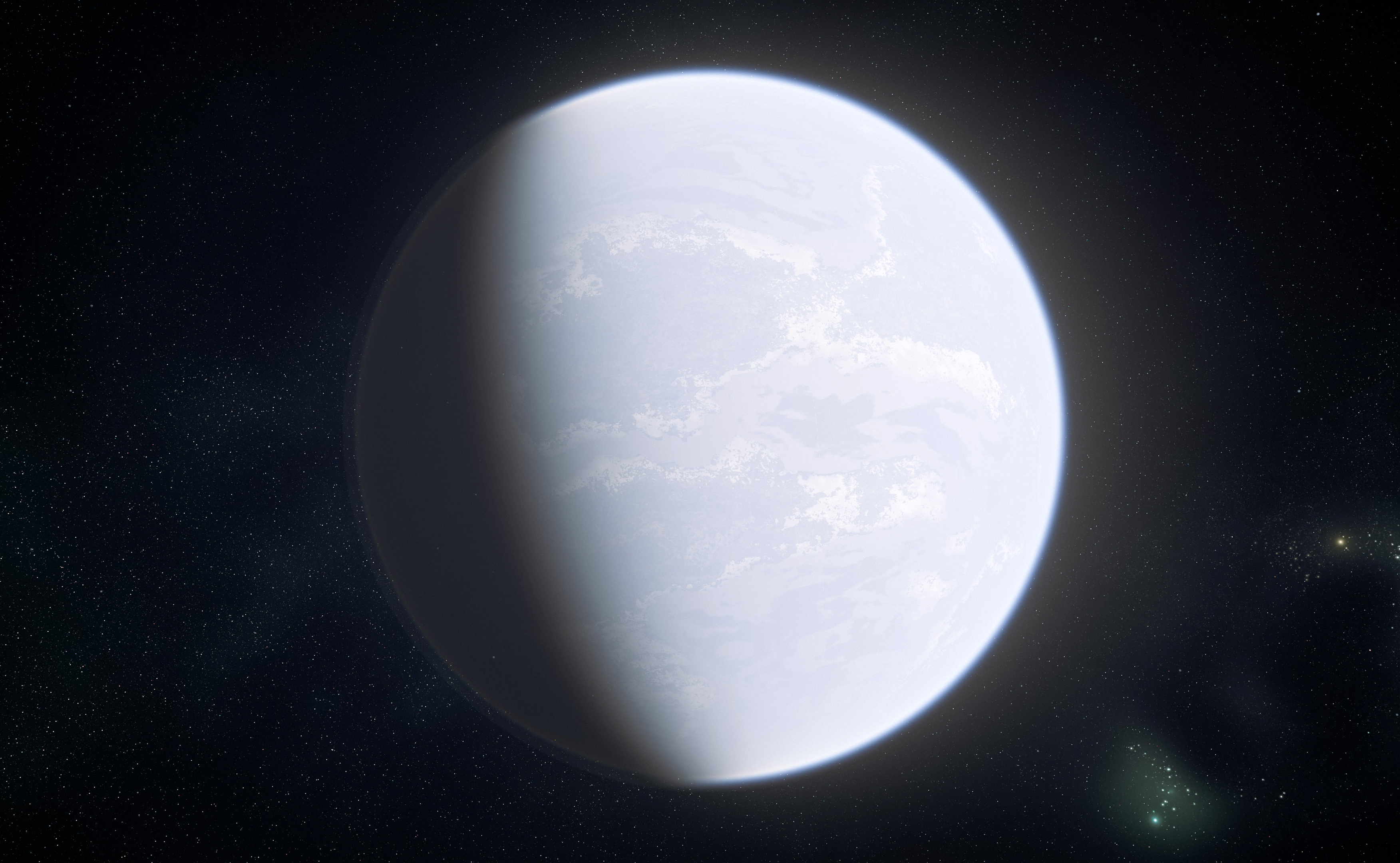
Eda (Terra 3a)
Eda (Terra 3a) is the only natural satellite of Terra (Terra III), United Empire of Earth (UEE). Because it is nearly identical in size to the moon of Earth (Sol III), its presence in Terra's skies was seen as a sign by…
 Location
Euterpe (Stanton 4c)
Euterpe is the third and smallest moon of microTech (Stanton IV), named for the ancient Earth (Sol III) muse of music. Largely covered by ice sheets and frozen oceans of water, the landscape of the moon is dotted with…
Nemo 3a
Nemo 3a, nicknamed the "Space Whale" by locals, is the moon of Ergo (Nemo III). A captured asteroid, it is oblong in shape with one end tapering into a smaller one. The silhouette is said to resemble a whale, an ocean…
 Location
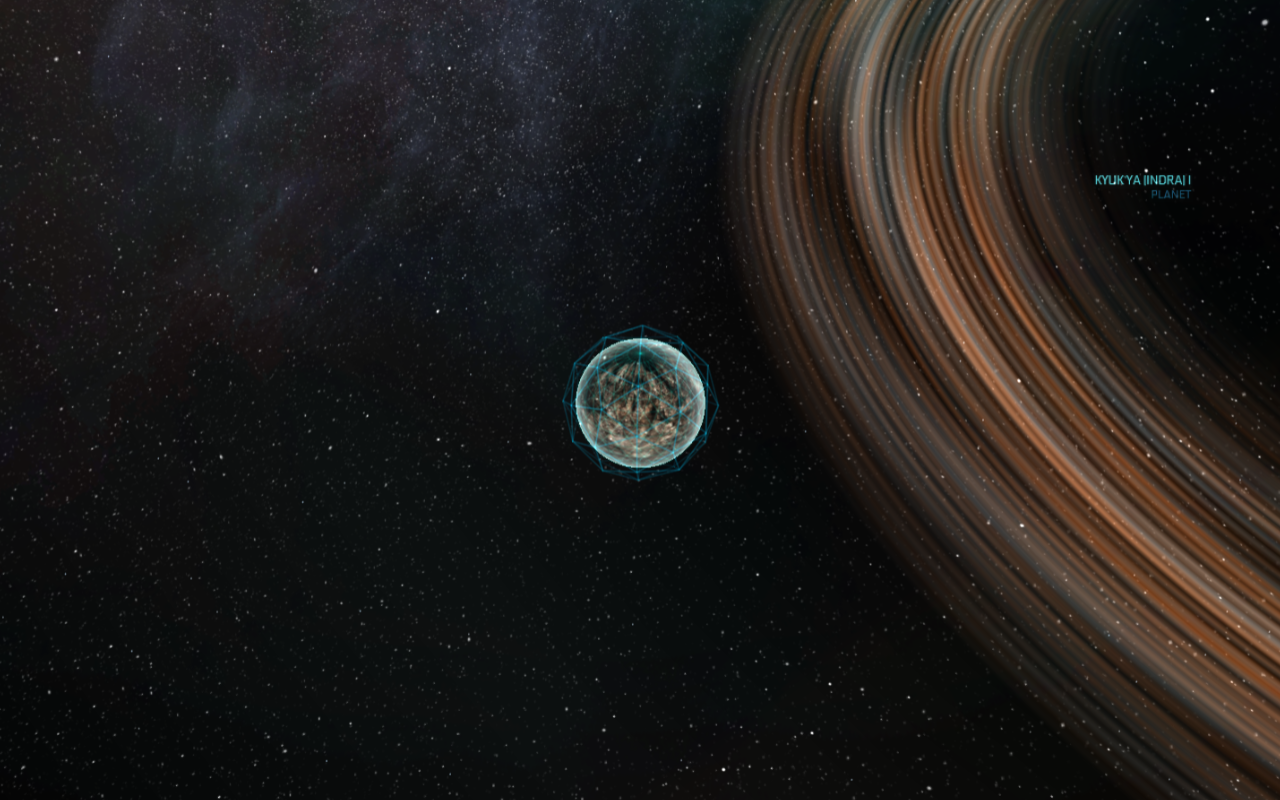
Charon 2b
Charon 2b is the outermost moon of Charon II, United Empire of Earth (UEE). Though it is desolate today, systems of channels and caves on its surface suggest that liquid water once flowed there. The majority of caves on…
 Location
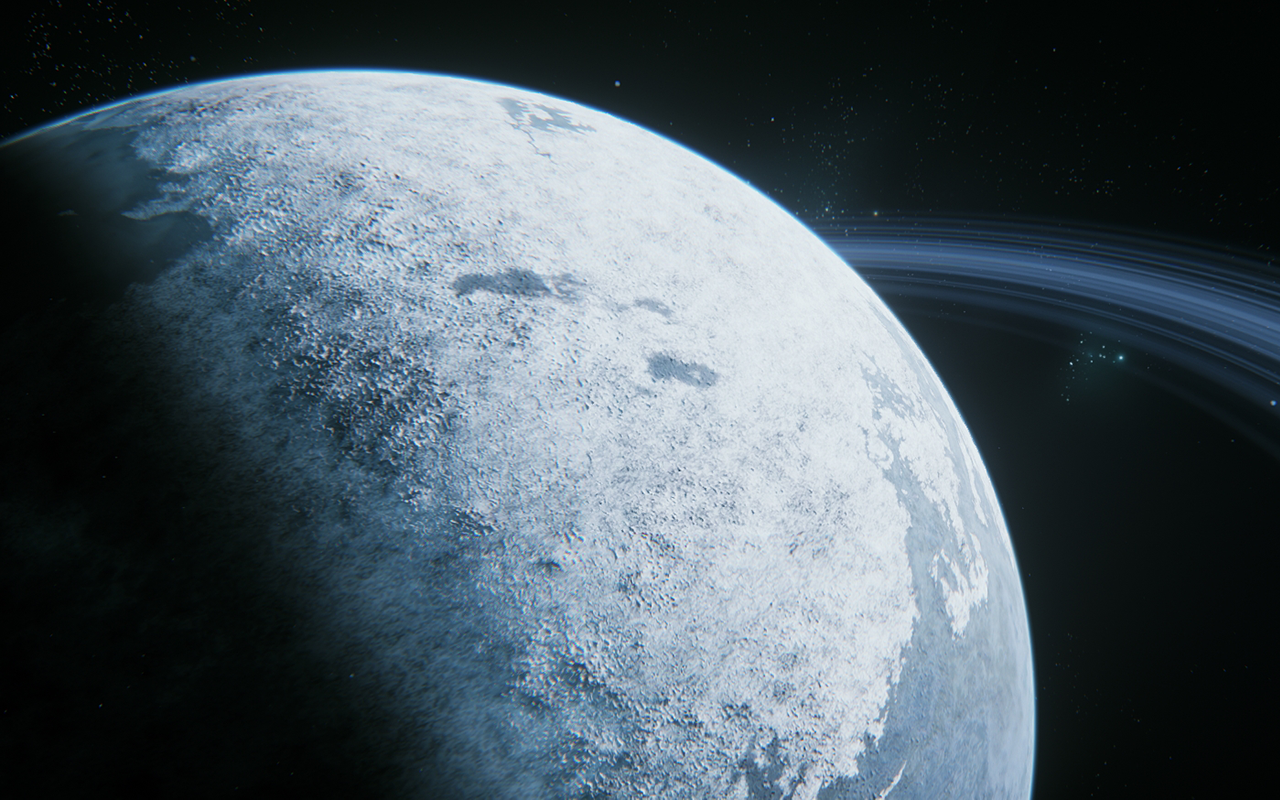
Pue'nu (Kyuk'ya 1a)
Pue'nu (Kyuk'ya 1a) is the moon of Kyuk'ya I, Xi'an Empire. During the Xi'an-Human Cold War (SEY 2530 - 2793), it was the site of a Xi'an military base that was used as a launch point for scouting missions into United…
 Location
Yela (Stanton 2c)
YELA (STANTON 2C) Yela is the outermost natural satellite of Crusader (Stanton II), and is orbited by a ring of asteroids. A thin crust of water-ice on the moon's surface is said to represent the cool demeanor of Yela,…
Articles © Cloud Imperium, from RSI’s Galactapedia, via the Star Citizen Wiki API.