
Know the ’verse.
Nine centuries of history, people, places and species. RSI’s Galactapedia, actually readable.
Moons
74 articles, top 60 shown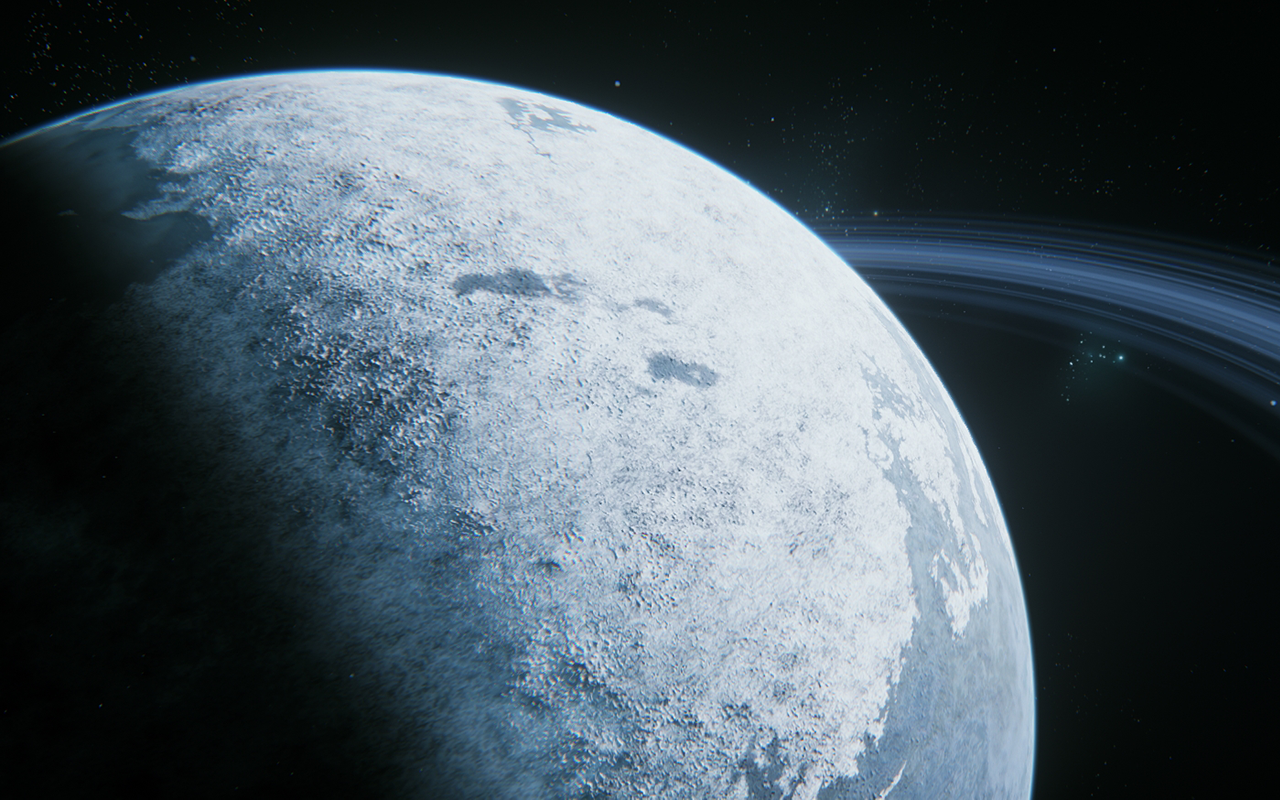 Location
Yela (Stanton 2c)
YELA (STANTON 2C) Yela is the outermost natural satellite of Crusader (Stanton II), and is orbited by a ring of asteroids. A thin crust of water-ice on the moon's surface is said to represent the cool demeanor of Yela,…
 Location
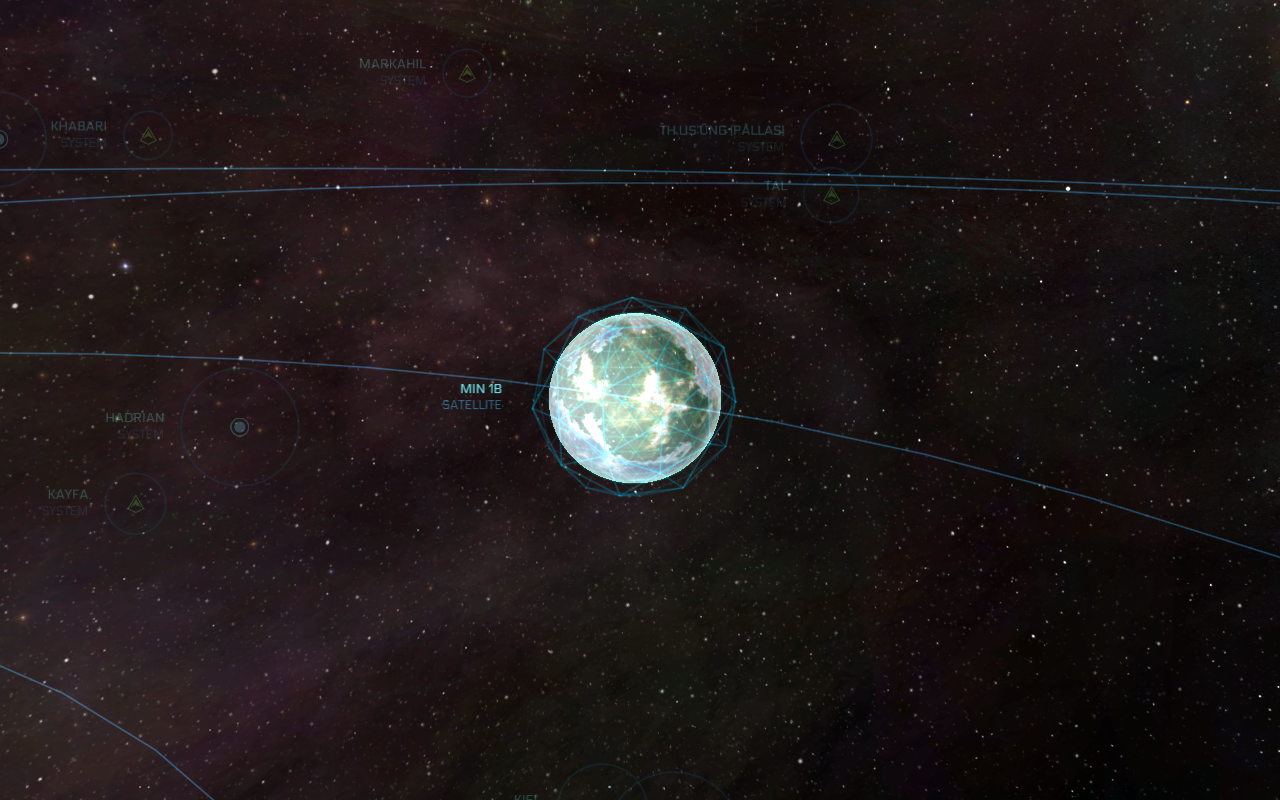
Min 1b
Min 1b is the second moon from the rogue planet Min I in the unclaimed Min system. Unique among known celestial bodies, Min 1b supports life in spite of a total lack of sunlight. The same tidal heating that makes Min 1a…
 Location
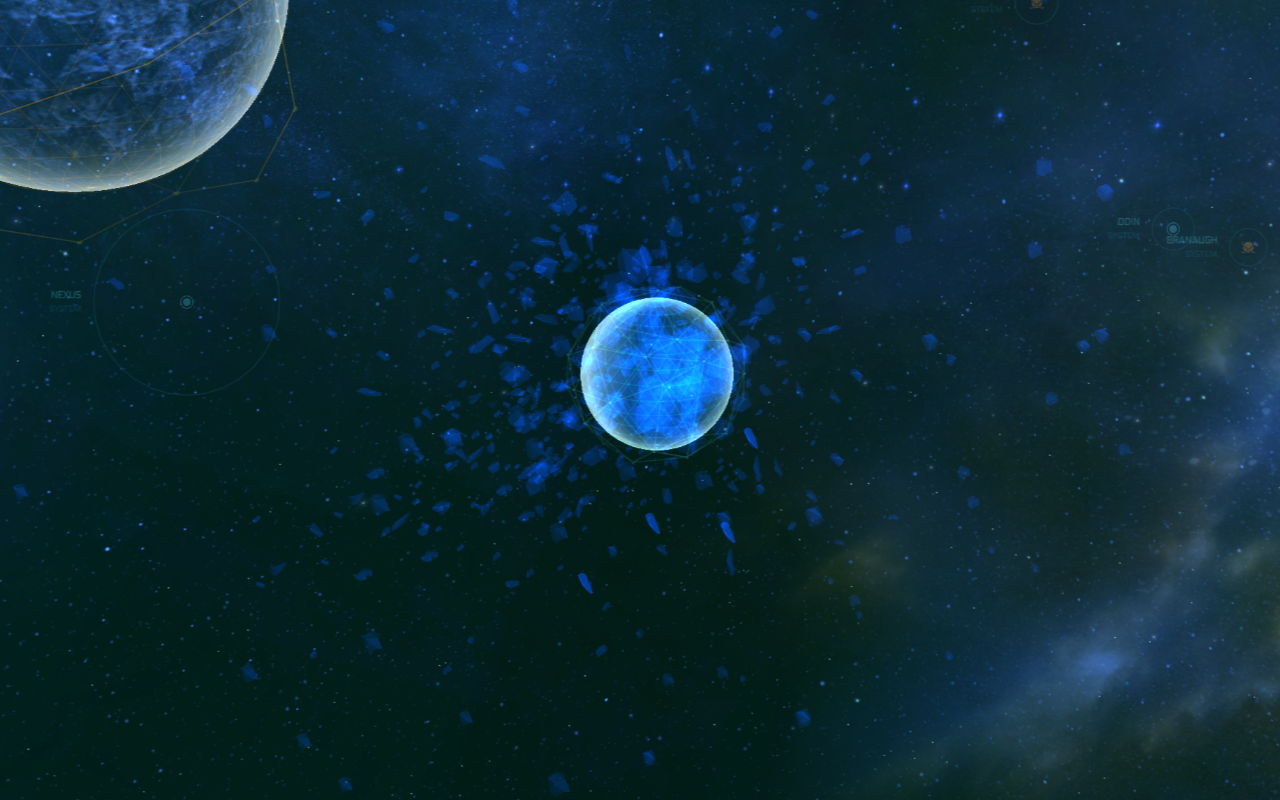
Taranis 2a
Tarnis 2a is the moon of Taranis II, the second planet from the sun of the unclaimed Taranis system. During the Messer Era (2546 - 2792), the geo-development company Ophion, Inc. used Taranis 2a and its parent planet as…
 Location
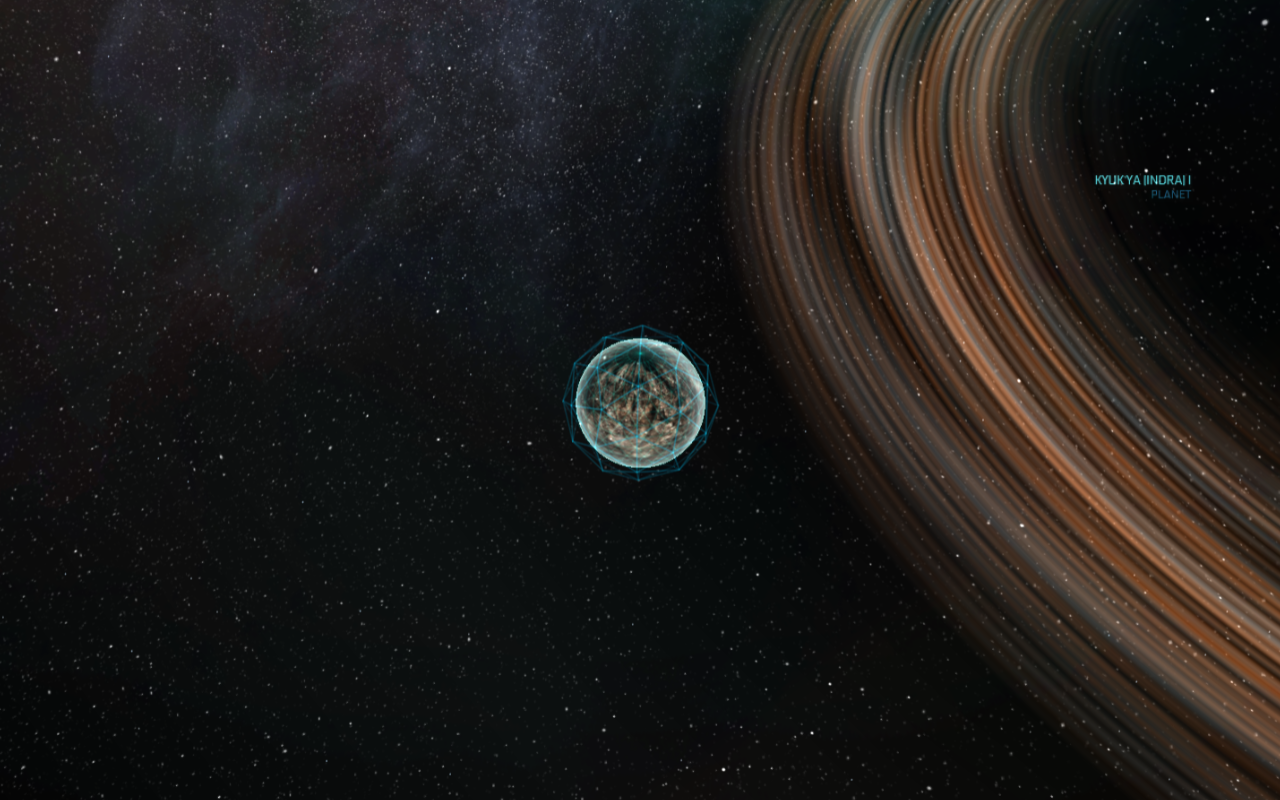
Pue'nu (Kyuk'ya 1a)
Pue'nu (Kyuk'ya 1a) is the moon of Kyuk'ya I, Xi'an Empire. During the Xi'an-Human Cold War (SEY 2530 - 2793), it was the site of a Xi'an military base that was used as a launch point for scouting missions into United…
 Location
Min 1c
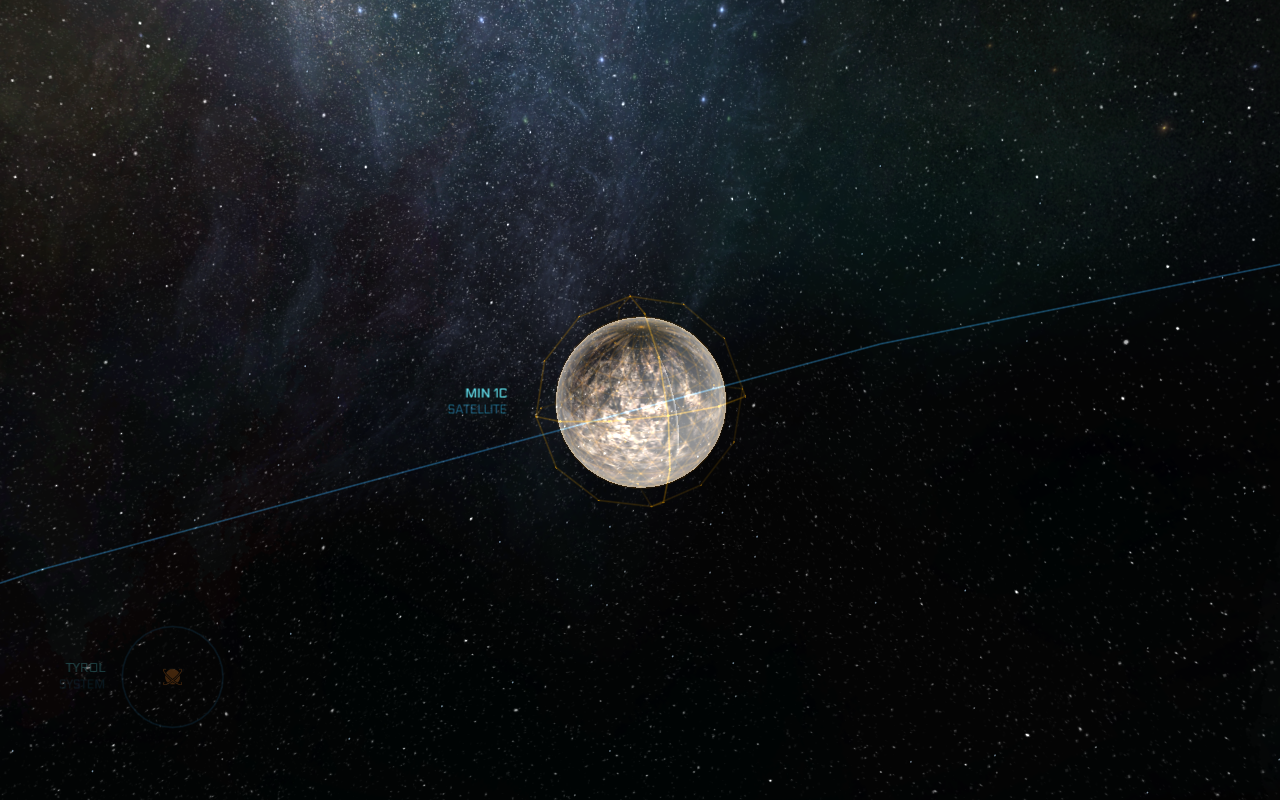
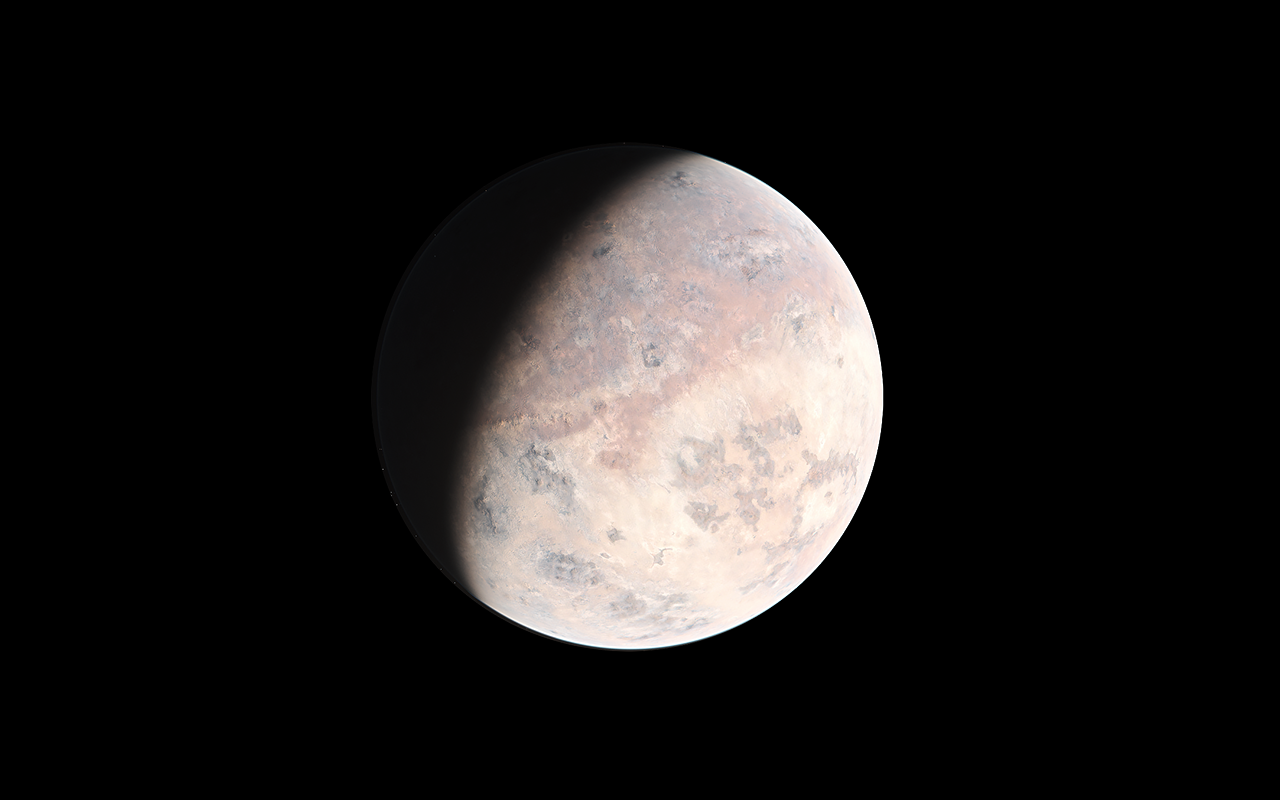
Min 1c is the third moon from the rogue planet Min I in the unclaimed Min system. The smallest of the four moons, it has a thin atmosphere of nitrogen and carbon dioxide, and is composed of rocky material and water…
 Location
Daymar (Stanton 2b)
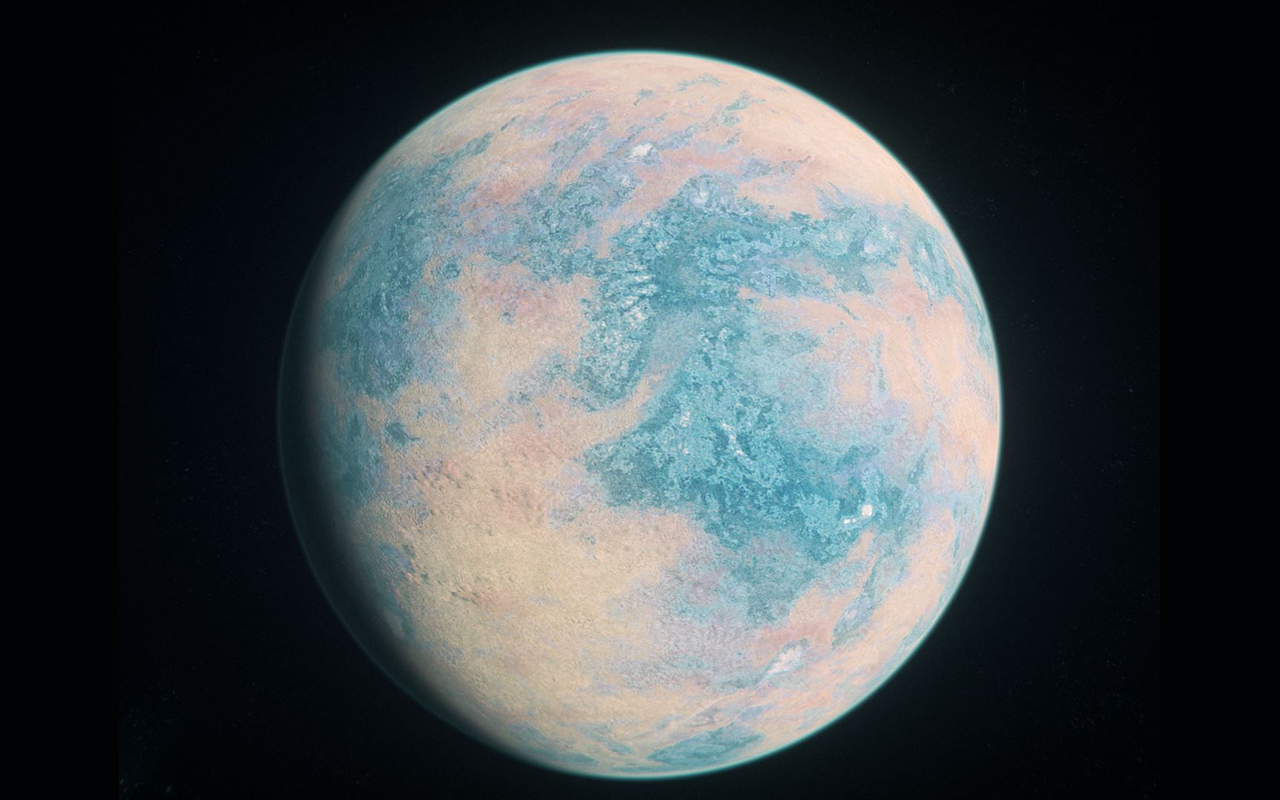
Daymar is Crusader's (Stanton II) second closest natural satellite, and was named after Daymar, one of the siblings in the Human tale A Gift for Baba. Due to the character's tendency to get lost, early explorers of the…
 Location
Magda (Stanton 1c)
Magda is the third-closest moon to Hurston (Stanton I). Although its temperature falls into ranges friendly to life, its nitrogen-methane atmosphere cannot be safely breathed. Enormous areas of blue-green dirt on…
 Location
Luna (Sol 3a)
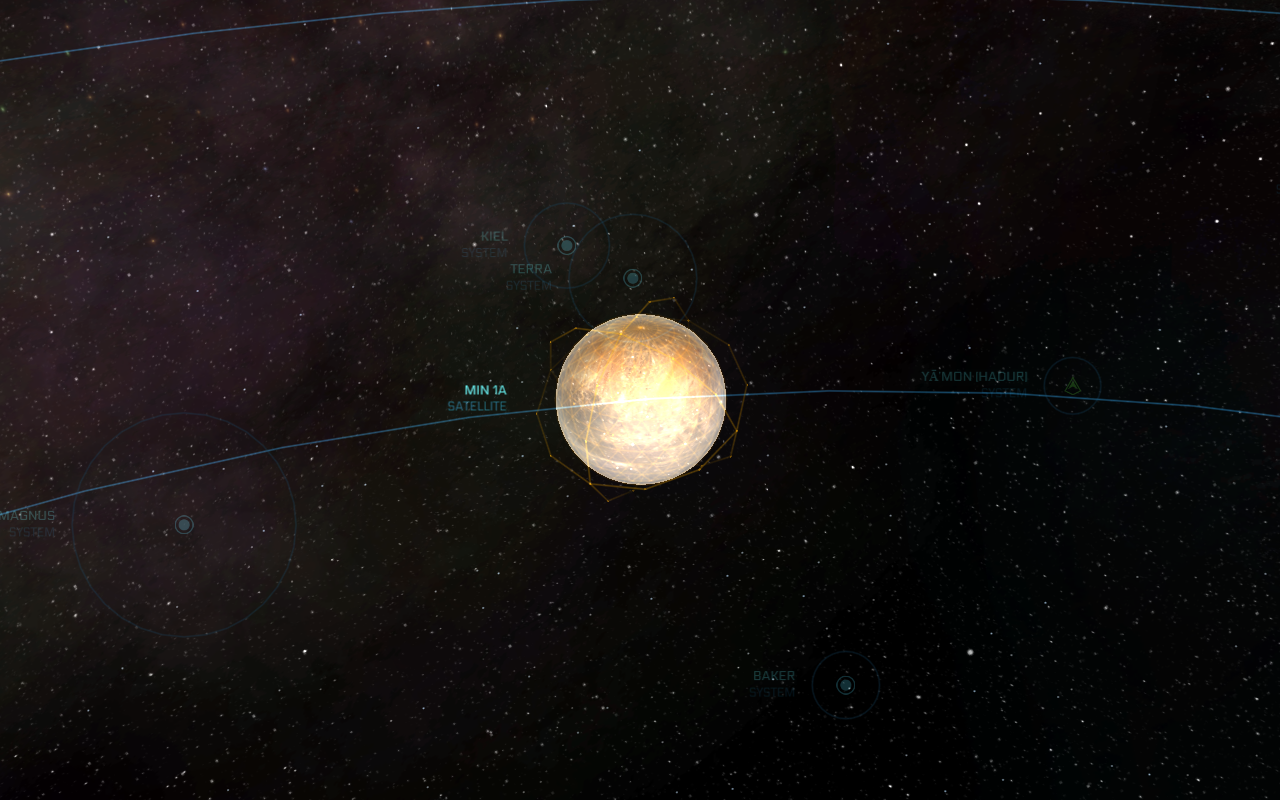
Luna (Sol 3a) is the moon of Earth (Sol III), United Empire of Earth (UEE). Tidally locked to Earth, it has long been a subject of fascination for Humans, and became the first celestial body they visited in SEY 1969. In…
 Location
Min 1a
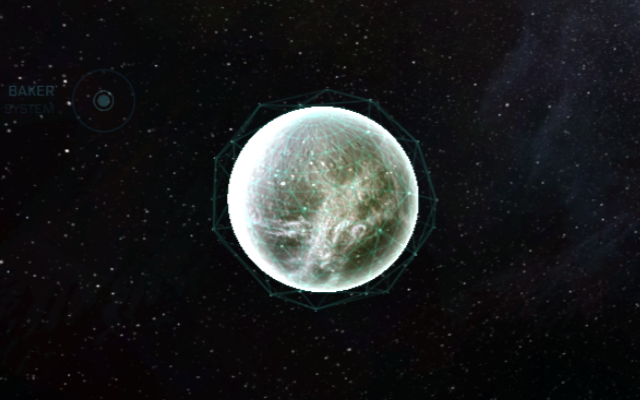
Min 1a is the closest moon to the rogue planet Min I in the unclaimed Min system. Due to the forces of tidal heating, Min 1a is intensely geologically active, with a network of volcanoes that produce plumes of sulfur…
 Location
Dione (Sol 6d)
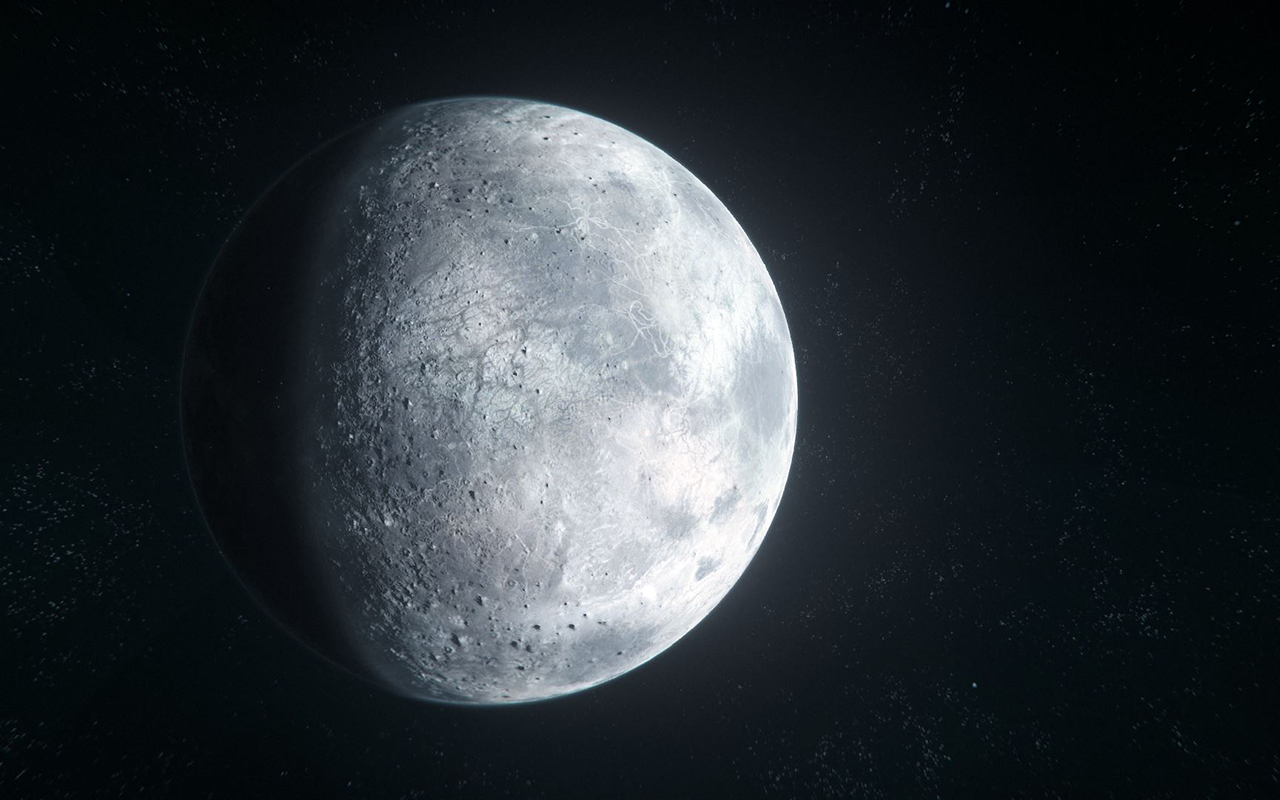
Dione (Sol 6d) is a moon of Saturn (Sol VI), United Empire of Earth (UEE). Marked with numerous impact craters and chasmata, it is theorized that Dione went through a period of heavy meteor strikes in the distant past…
 Location
Cellin (Stanton 2a)
Cellin is a volcanically active moon thronged with geysers that orbits Crusader (Stanton II), and is the planet's closest natural satellite. Its tenuous atmosphere contains trace amounts of oxygen, but not enough to…
Vatra (Pyro 5b)
Vatra is the second moon from the gas giant Pyro V, Pyro system. Its thick, high-pressure atmosphere of nitrogen and methane supports an ecosystem of plants that subsist on hydrocarbons instead of carbon dioxide. Some…
Nemo 3a
Nemo 3a, nicknamed the "Space Whale" by locals, is the moon of Ergo (Nemo III). A captured asteroid, it is oblong in shape with one end tapering into a smaller one. The silhouette is said to resemble a whale, an ocean…
 Location
Min 1d
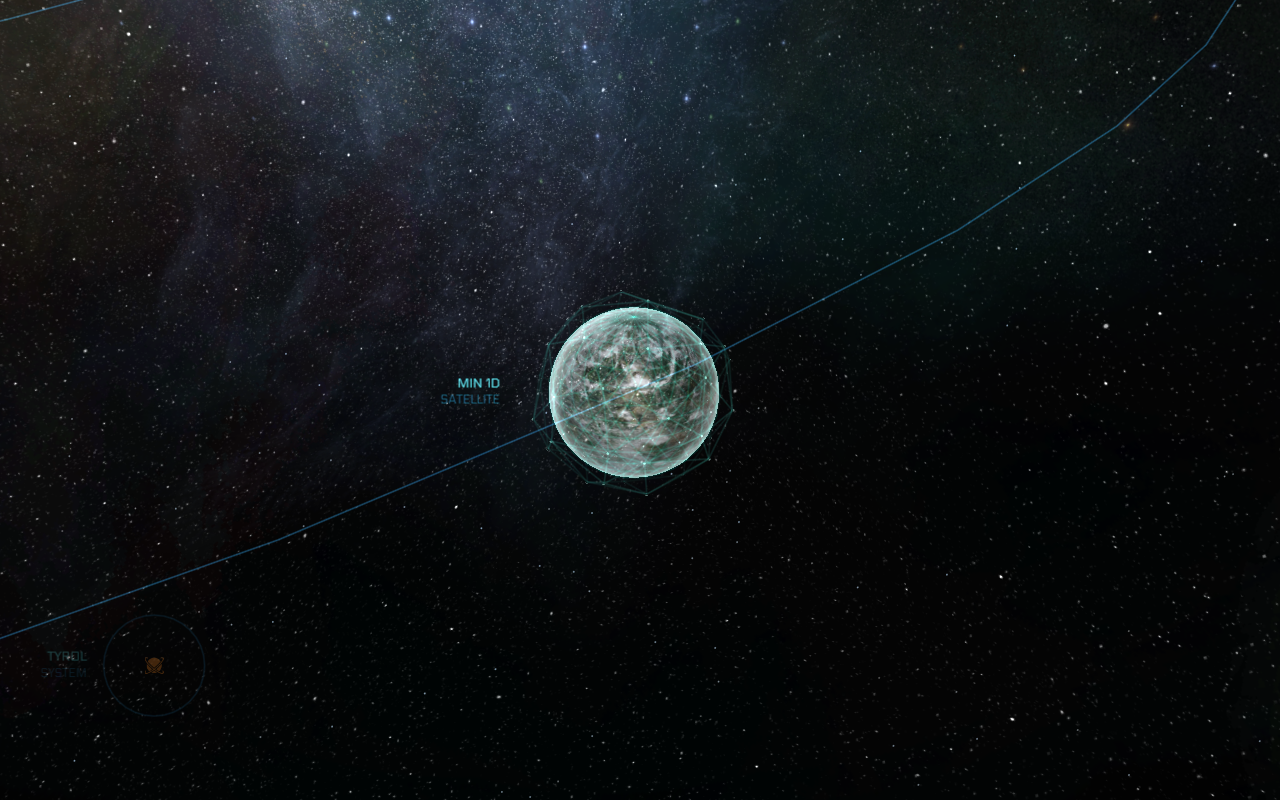
Min 1d is the most distant moon from the rogue planet Min I in the unclaimed Min system. Unlike the other moons in its system, it doesn't experience tidal heating, and has no detectable tectonic activity. Its surface is…
Miranda (Sol 7a)
Miranda (Sol 7a) is a moon of Uranus (Sol VII), United Empire of Earth (UEE). Round and tidally locked, it has an unusually high orbital inclination that suggests in the past that it was in orbital resonance with…
Ignis (Pyro 5a)
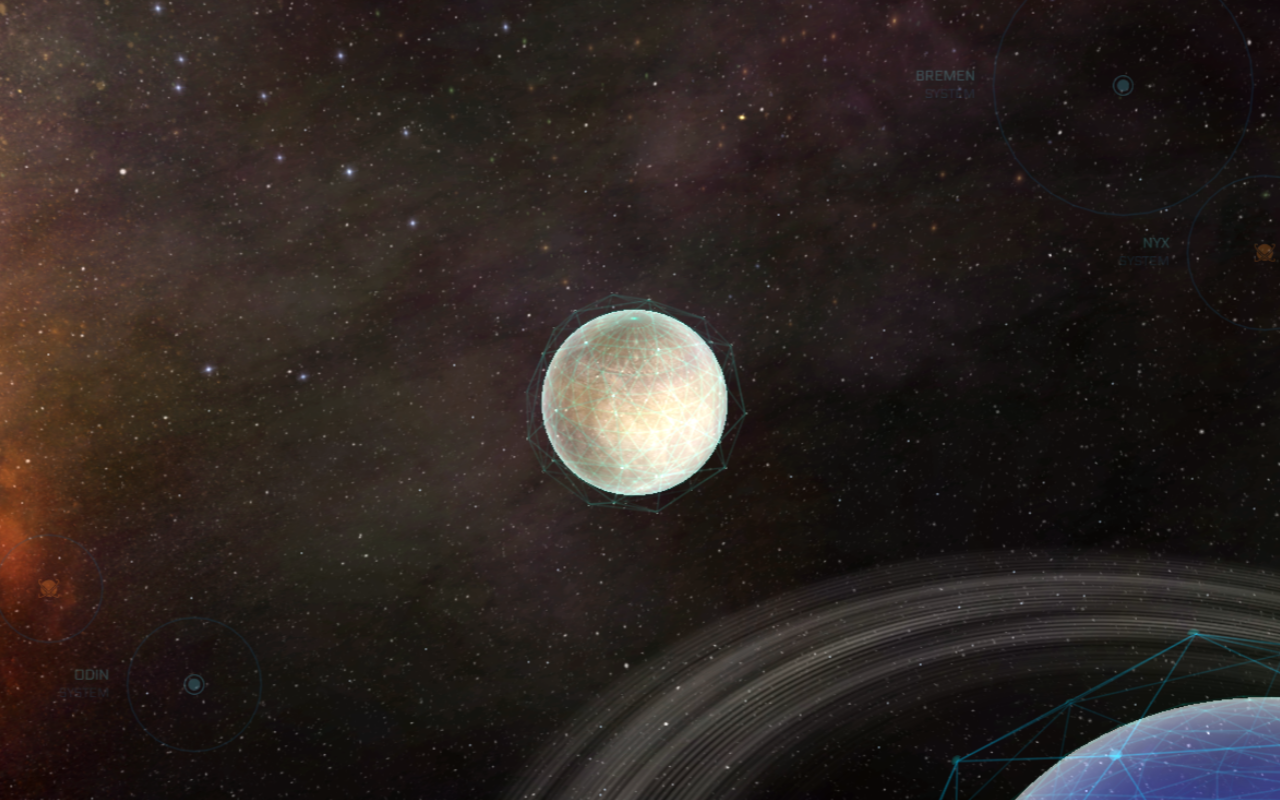
Ignis is the innermost moon of the gas giant Pyro V, Pyro system. The canyons and dry riverbeds on its surface suggest that liquid water once flowed there in the distant past. Its frigid average temperature and deadly…
 Location
Triton (Sol 8a)
Triton is a moon of Neptune (Sol VIII), United Empire of Earth (UEE). The largest of Neptune's moons, it the planet's only natural satellite massive enough to have achieved gravitational rounding. Additionally, even…
Vuur (Pyro 5f)
Vuur is the sixth moon from the gas giant Pyro V, Pyro system. Thanks to an increased greenhouse effect in its dense carbon dioxide atmosphere, it is unusually warm for a moon so distant from its sun. Its carbon-rich…
 Location
Europa (Sol 5b)
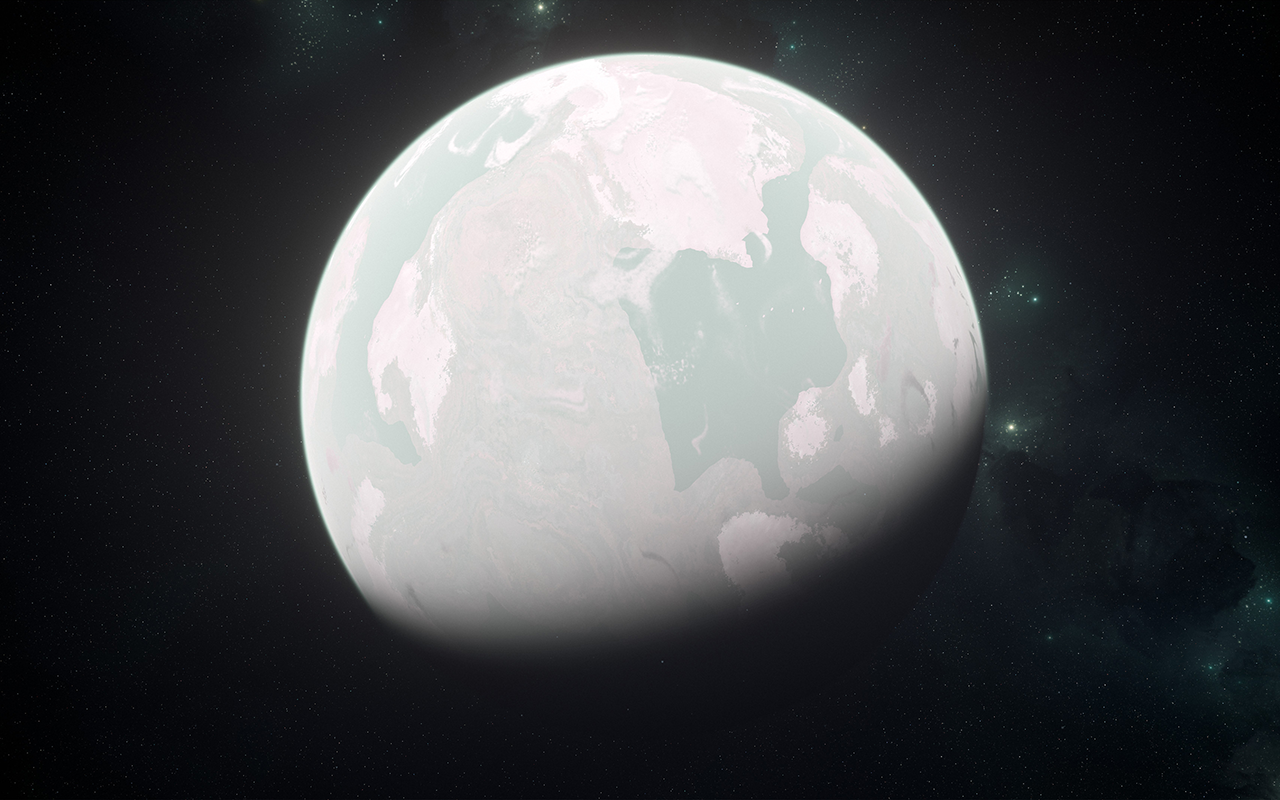
Europa (Sol 5b) is a moon of Jupiter (Sol V), United Empire of Earth (UEE). Coated with a sheet of water ice that hides a brackish ocean, its surface is crisscrossed with vast cracks that appear when tidal heating…
 Location
Clio (Stanton 4b)
Clio is the second-closest moon to microTech (Stanton IV), and is a popular destination for tourists due to its liquid oceans and pink and teal sky. It was named for the ancient Earth (Sol III) muse of history in order…
Umbriel (Sol 7c)
Umbriel (Sol 7c) is a moon of Uranus (Sol VII), United Empire of Earth (UEE). One of the darkest in color of the moons of Uranus, one of its larger craters has a ring of reflective material on its floor, making Umbriel…
 Location
Ellis 5a
Ellis 5a is the first moon of the planet Noble (Ellis V), United Empire of Earth (UEE). To the naked eye, it appears to be softly pink. In 2845, the prominent jewelry company Apgar's debuted a line of pink pearl…
 Location
Ganymede (Sol 5c)
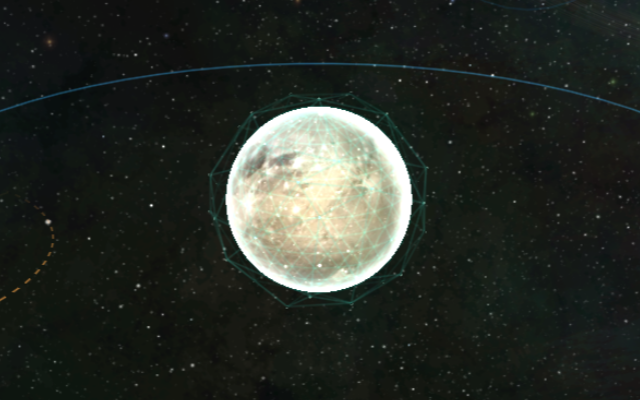
Ganymede (Sol 5c) is a moon of Jupiter (Sol V), United Empire of Earth (UEE). The largest moon in the Sol system, its diameter is greater than that of the planet Mercury (Sol I). Before Ganymede's subsurface ocean was…
Fuego (Pyro 5e)
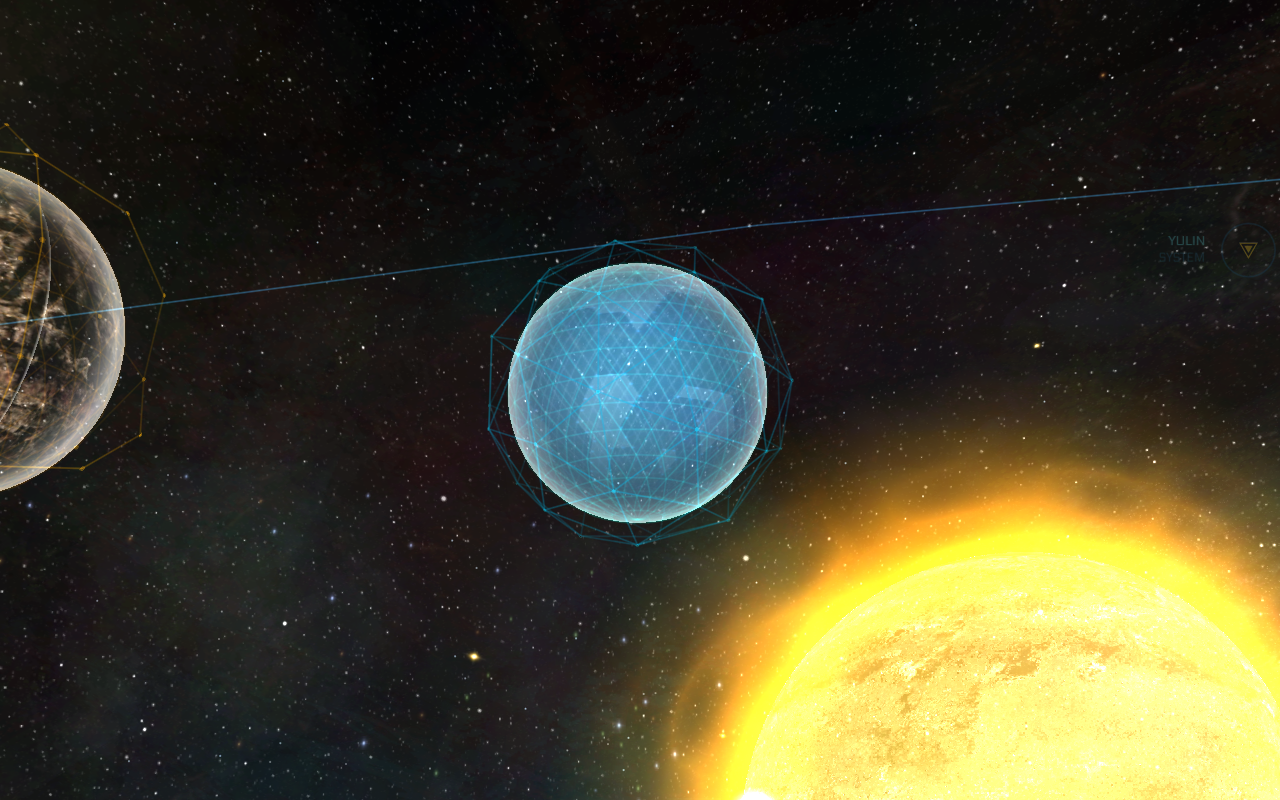
Fuego is the fifth moon from the gas giant Pyro V, Pyro system. Relatively temperate but still cold, it has a mostly carbon dioxide atmosphere with small percentages of nitrogen, sulfur dioxide, and oxygen. High amounts…
 Location
Lanisto (Tyrol 1a)
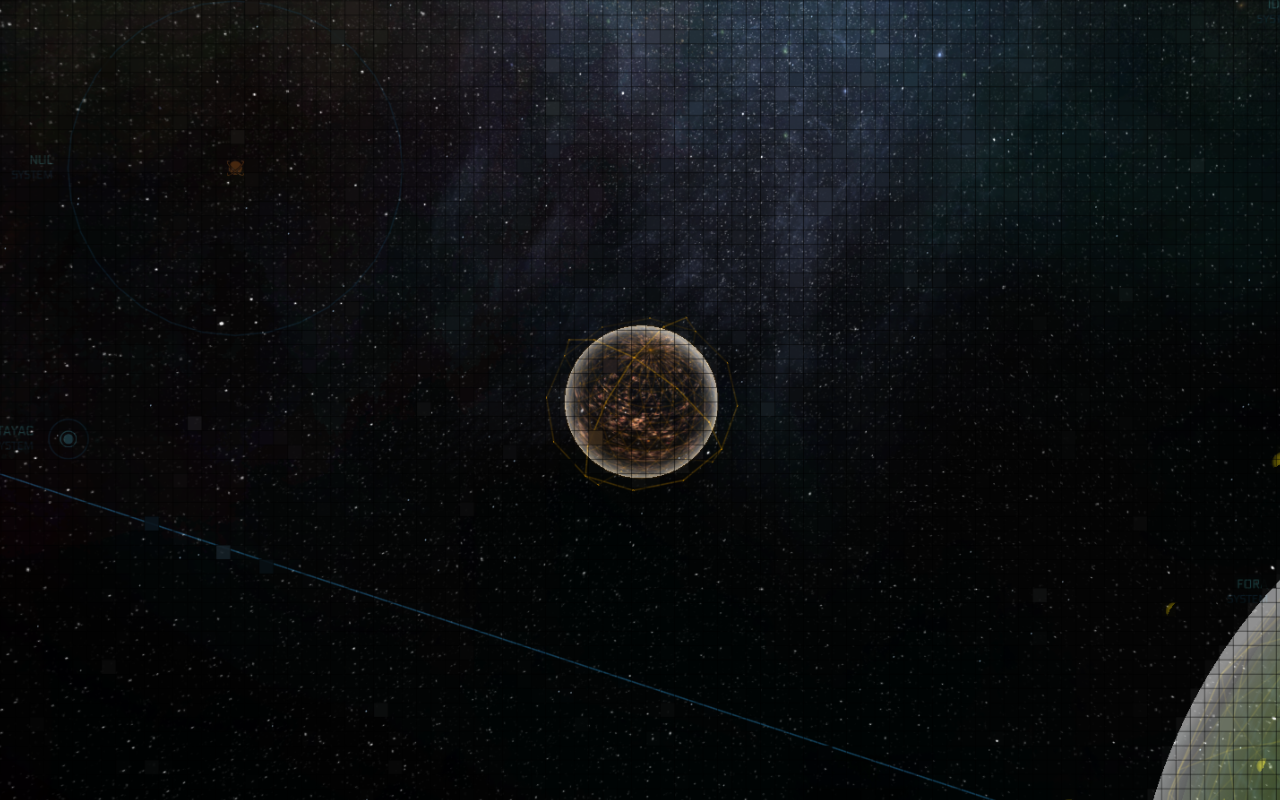
Lanisto (Tyrol 1a) is the moon of Tyrol I, the closest planet to the two stars of the unclaimed Tyrol system. There is evidence that many years in the past, Lanisto was very geologically active. Empty lava caverns…
 Location
Caliban 4a
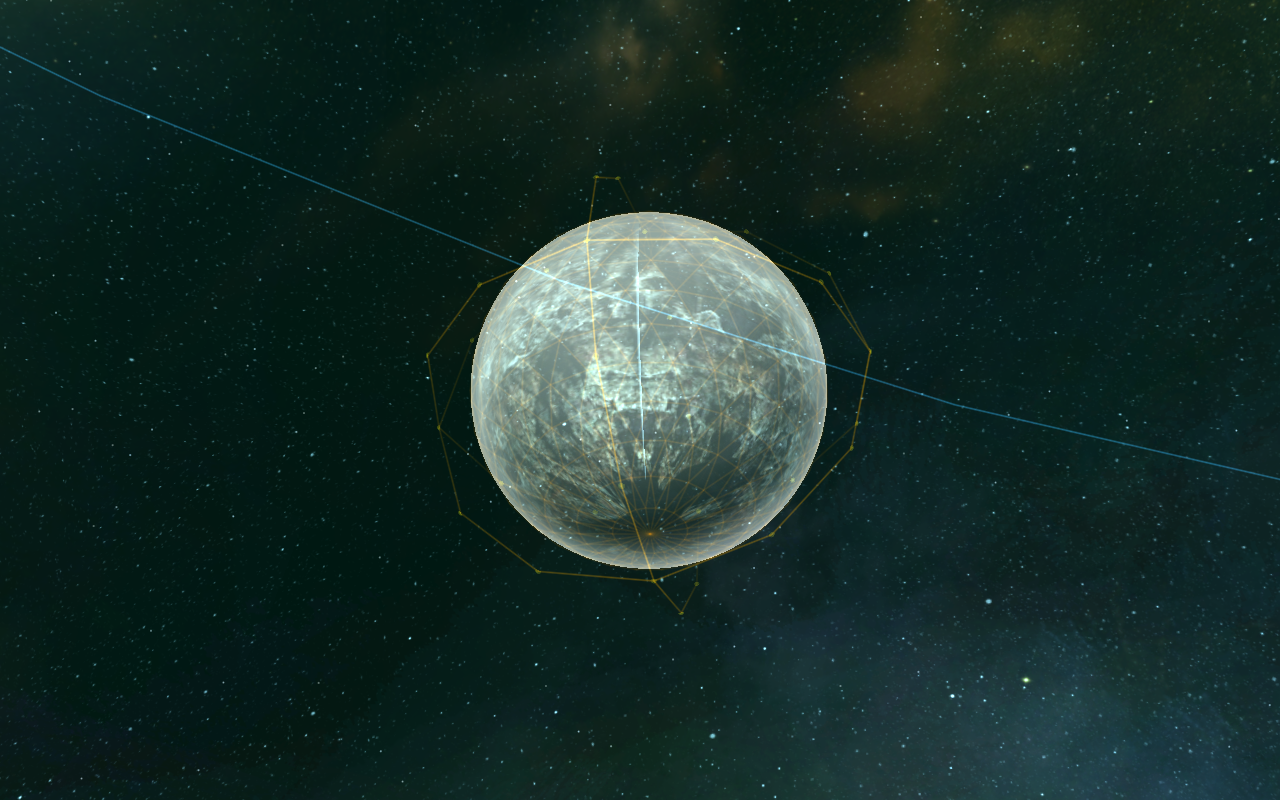
Caliban 4a is the first moon from the gas giant Caliban IV, Caliban system, located in Vanduul territory. Iron-rich and very dense, studies conducted on the moon have shown that it is likely older than any other…
 Location
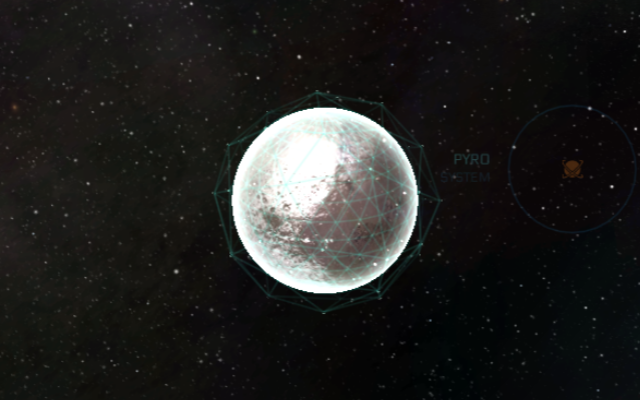
Marama (Helios 2a)
Marama (Helios 2a) is the moon of Tangaroa (Helios II), United Empire of Earth (UEE). Its dense iron and nickel core combined with a very fast orbital period of 4.3 SED contribute to its parent planet's strong tidal…
 Location
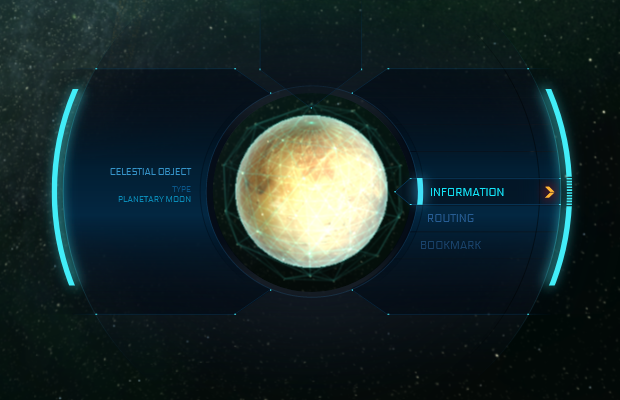
Iapetus (Sol 6e)
Iapetus (Sol 6e) is a moon of Saturn (Sol VI), United Empire of Earth (UEE). Tidally locked to Saturn, the leading hemisphere of the moon is much darker than that of the trailing hemisphere, giving it a striking…
 Location
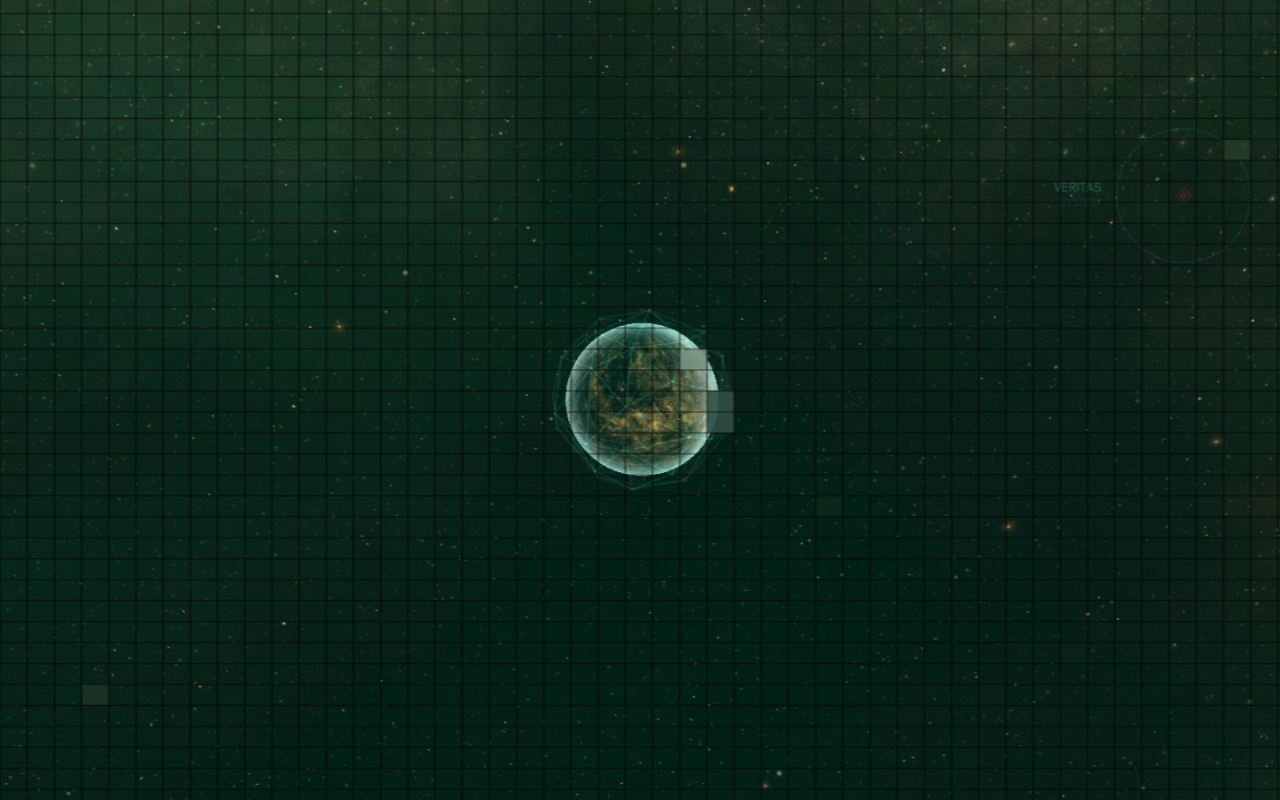
Charon 2a
Charon 2a is the innermost moon of Charon II, United Empire of Earth (UEE). Unusually for a moon of its small size, it has a thin atmosphere generated by high volcanic and seismic activity. An independent band of…
 Location
Corsito (Virgil 1b)
Corsito (Virgil 1b) is the second moon from Cyrene (Virgil I), Virgil system, located in Vanduul territory. In contrast to its sister moon Jai (Virgil 1a), it has a dark, slightly blue surface and reflects about half as…
 Location
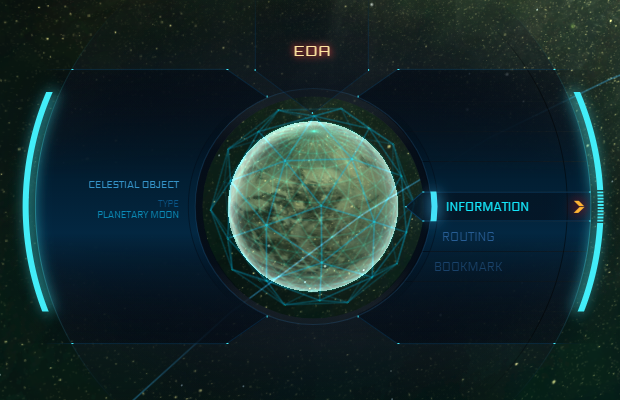
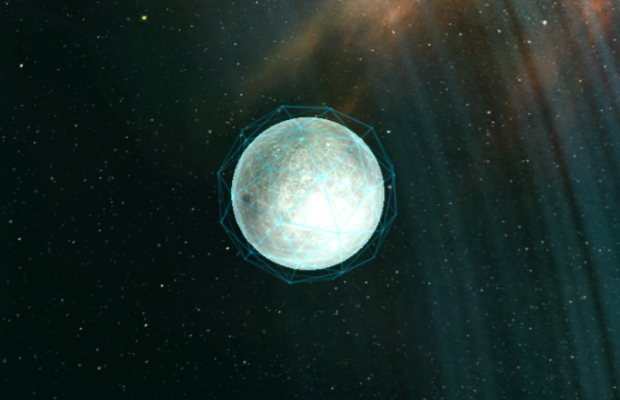
Eda (Terra 3a)
Eda (Terra 3a) is the only natural satellite of Terra (Terra III), United Empire of Earth (UEE). Because it is nearly identical in size to the moon of Earth (Sol III), its presence in Terra's skies was seen as a sign by…
 Location
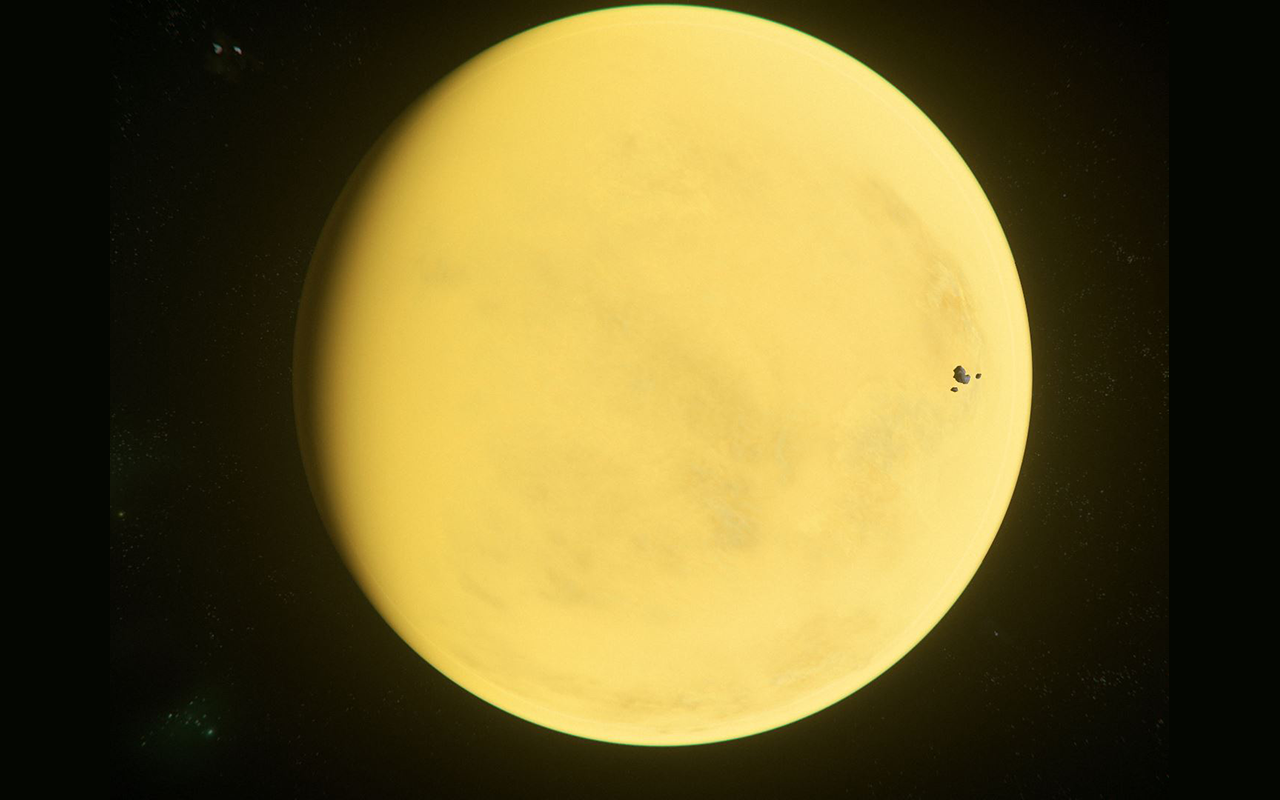
Vega 2a
Vega 2a is a moon of Aremis (Vega II), United Empire of Earth (UEE). Its icy surface, remarkably smooth in some locations, is bright white and highly reflective. Jets of frozen water containing silica and salts that…
 Location
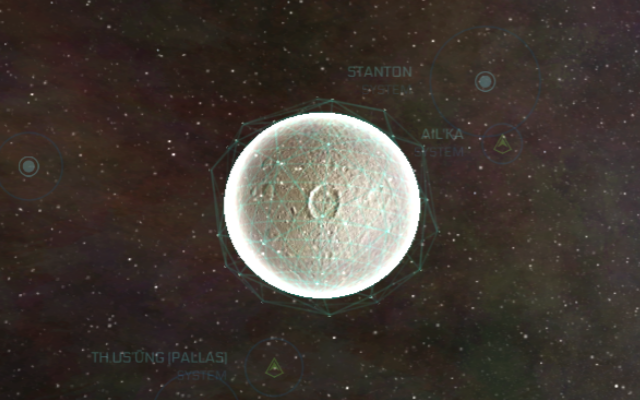
Aberdeen (Stanton 1b)
Aberdeen, named for the designer of Hurston Dynamics' first antimatter warhead, Aberdeen Hurston, is the second moon of Hurston (Stanton I). It has a thick, hazy atmosphere composed of sulfurous gas that creates…
 Location
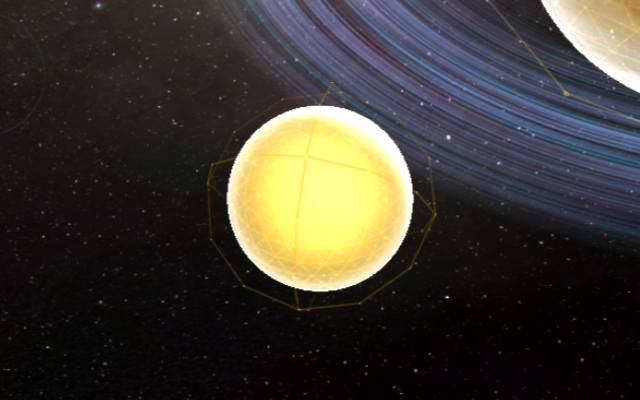
Tethys (Sol 6c)
Tethys (Sol 6c) is a moon of Saturn (Sol VI), United Empire of Earth (UEE). One of the least dense of all the major moons in the Sol system, it is made almost entirely of water ice. Due to tidal and rotational forces,…
 Location
Titan (Sol 6a)
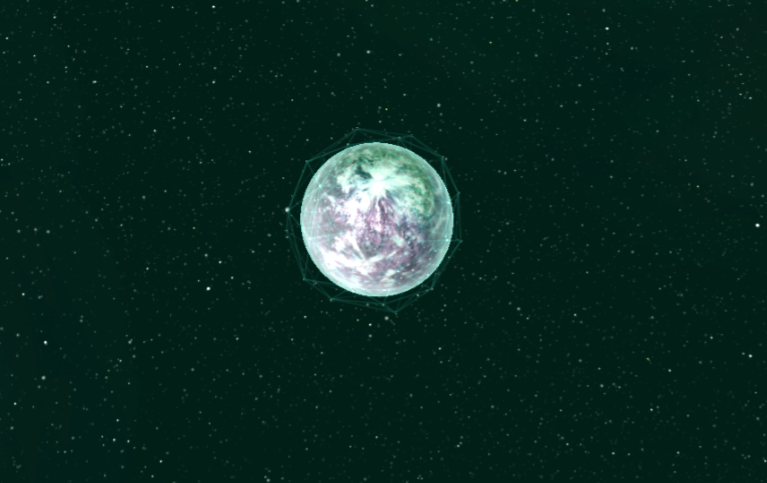
Titan (Sol 6a) is a moon of Saturn (Sol VI), United Empire of Earth (UEE). The largest of Saturn's moons, its nitrogen-methane atmosphere is denser than that of Earth (Sol III). Titan is dotted with lakes and rivers of…
 Location
Vega 2b
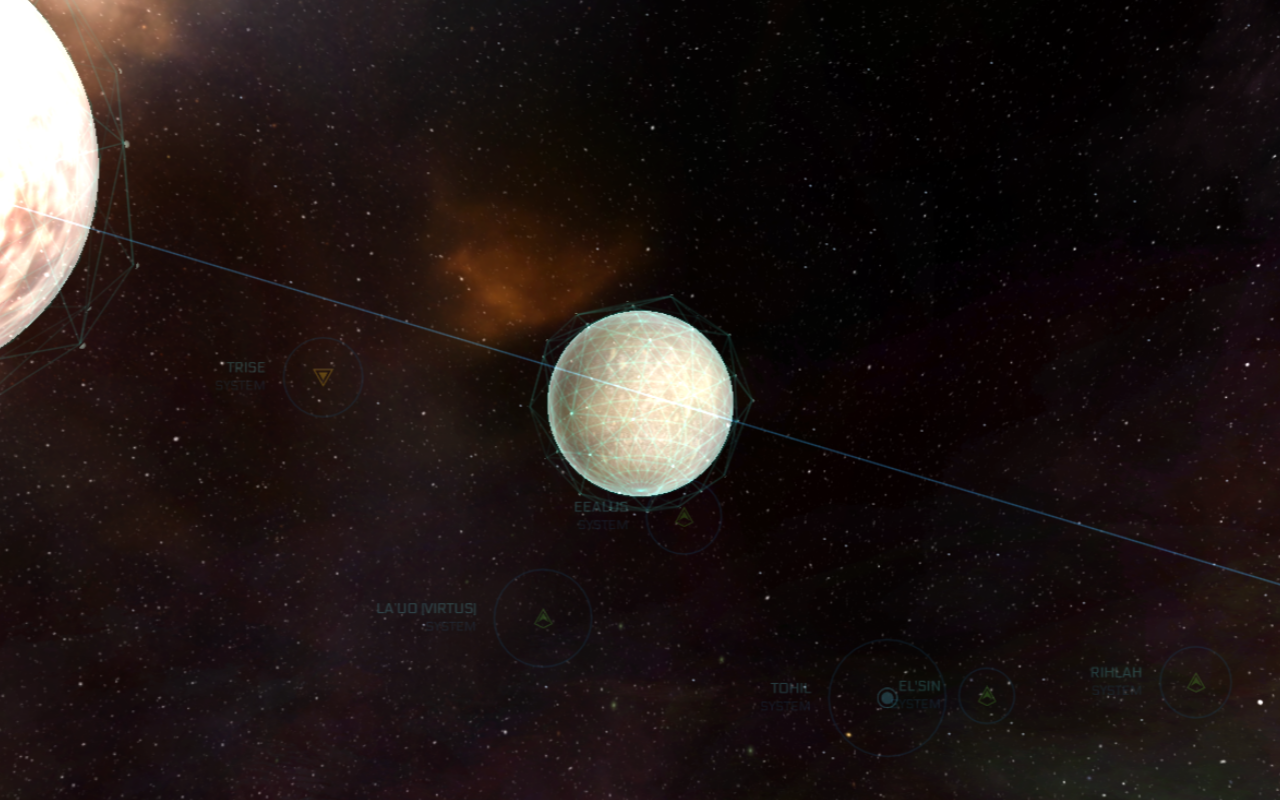
Vega 2b is the outermost moon of Aremis (Vega II), United Empire of Earth (UEE). A shepherd moon, it closely orbits the outer edge of Aremis' system of rings, clearing out stray debris in orbit around the planet which…
 Location
Charon (Sol 9a)
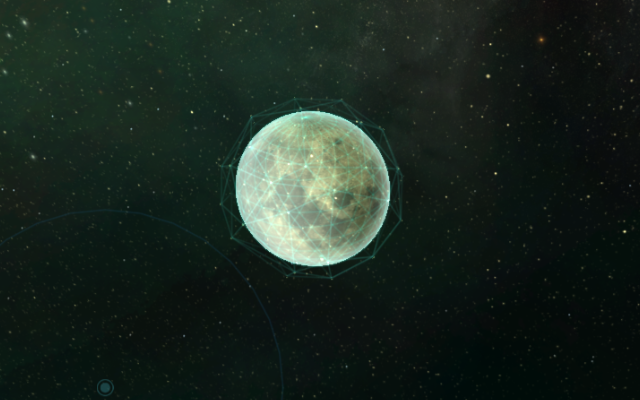
Charon (Sol 9a) is a moon of Pluto (Sol IX), United Empire of Earth (UEE). The largest of the dwarf planet's five natural satellites, Pluto and Charon are mutually tidally locked to one another and orbit a common…
 Location
Ellis 5b
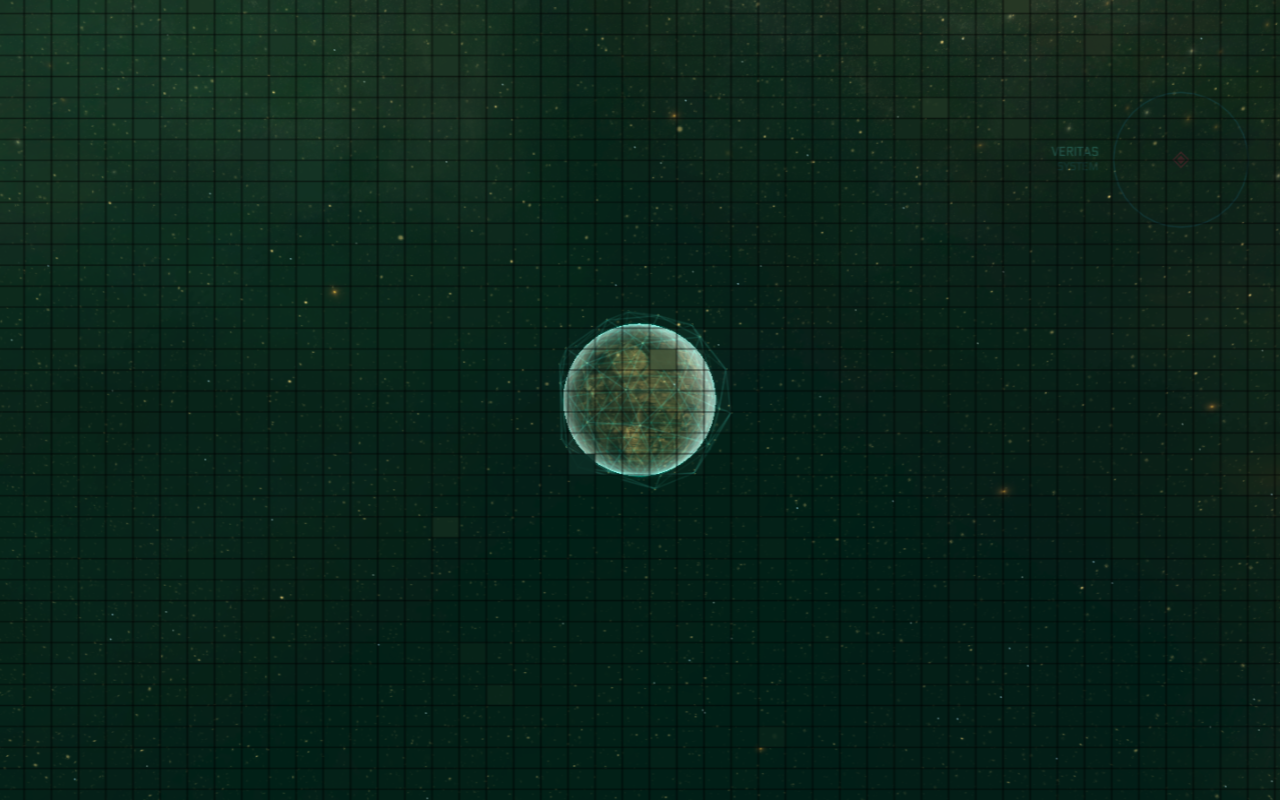
Ellis 5b is the second moon of Noble (Ellis V), United Empire of Earth (UEE), and is tidally locked to the planet. Nearly three times larger than its sister moon Ellis 5a, the light reflected off its pristine white…
 Location
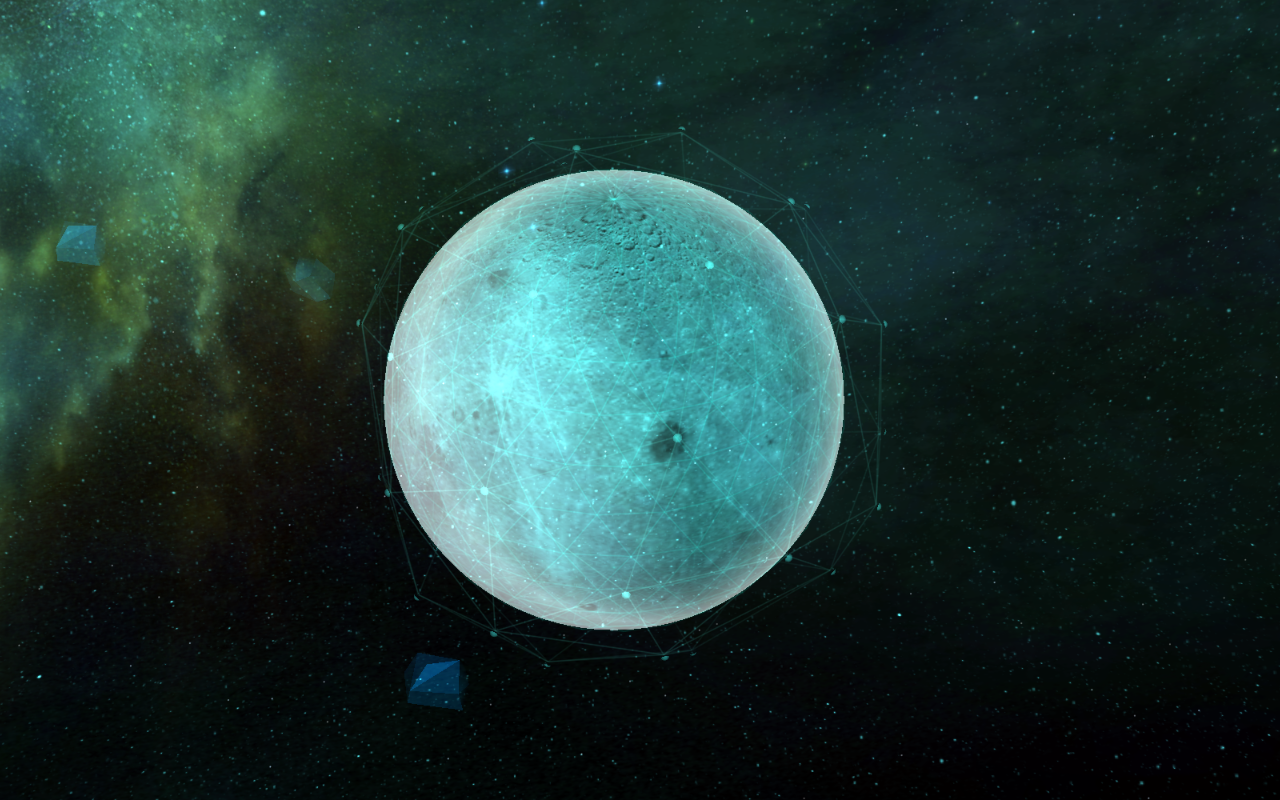
Epheet (Virgil 1c)
Epheet (Virgil 1c) is the third moon from Cyrene (Virgil I), Virgil system, located in Vanduul territory. The smallest of the three moons, it was nicknamed "little brother" for appearing to follow the other two moons…
 Location
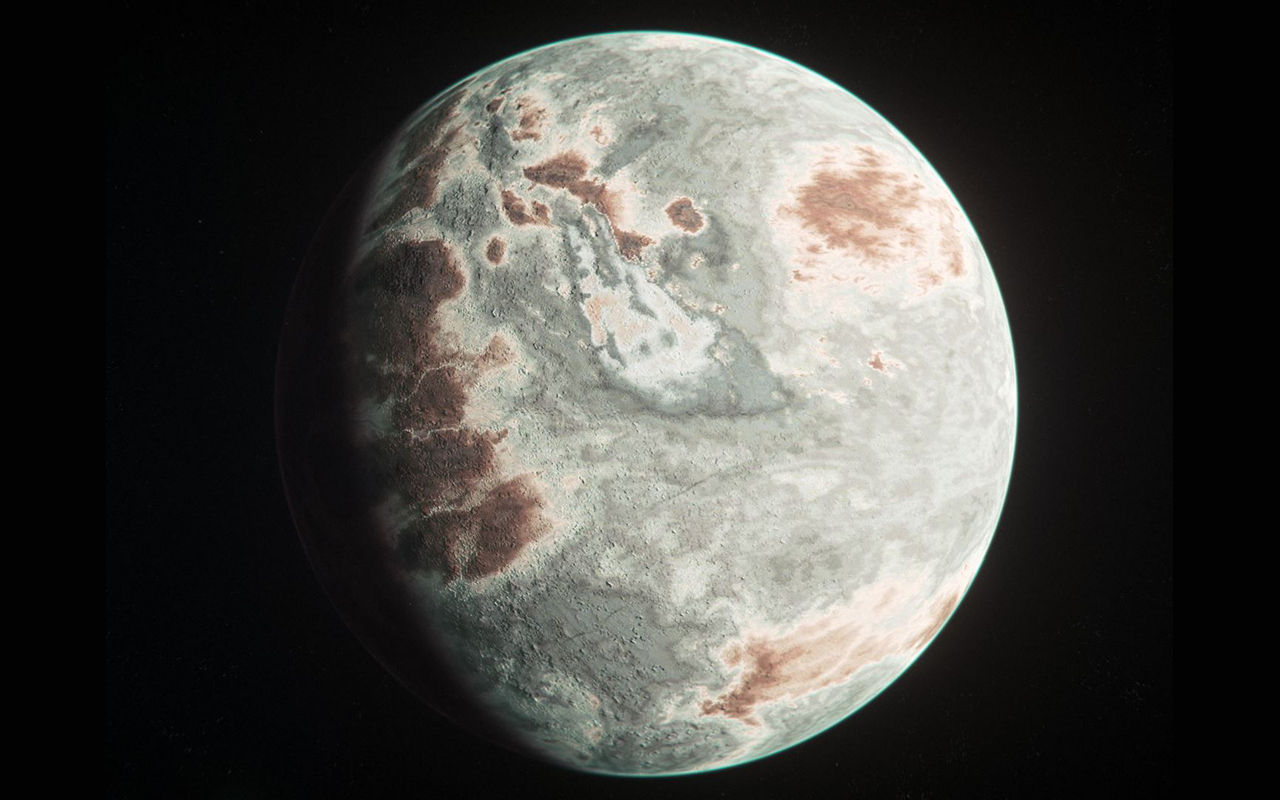
Gainey (Odin 1a)
Gainey (Odin 1a) is the former moon of Odin I, Odin system, United Empire of Earth (UEE). After Odin I was destroyed, it slipped into a stable orbit around the system's sun close to its parent planet's remains. It has a…
 Location
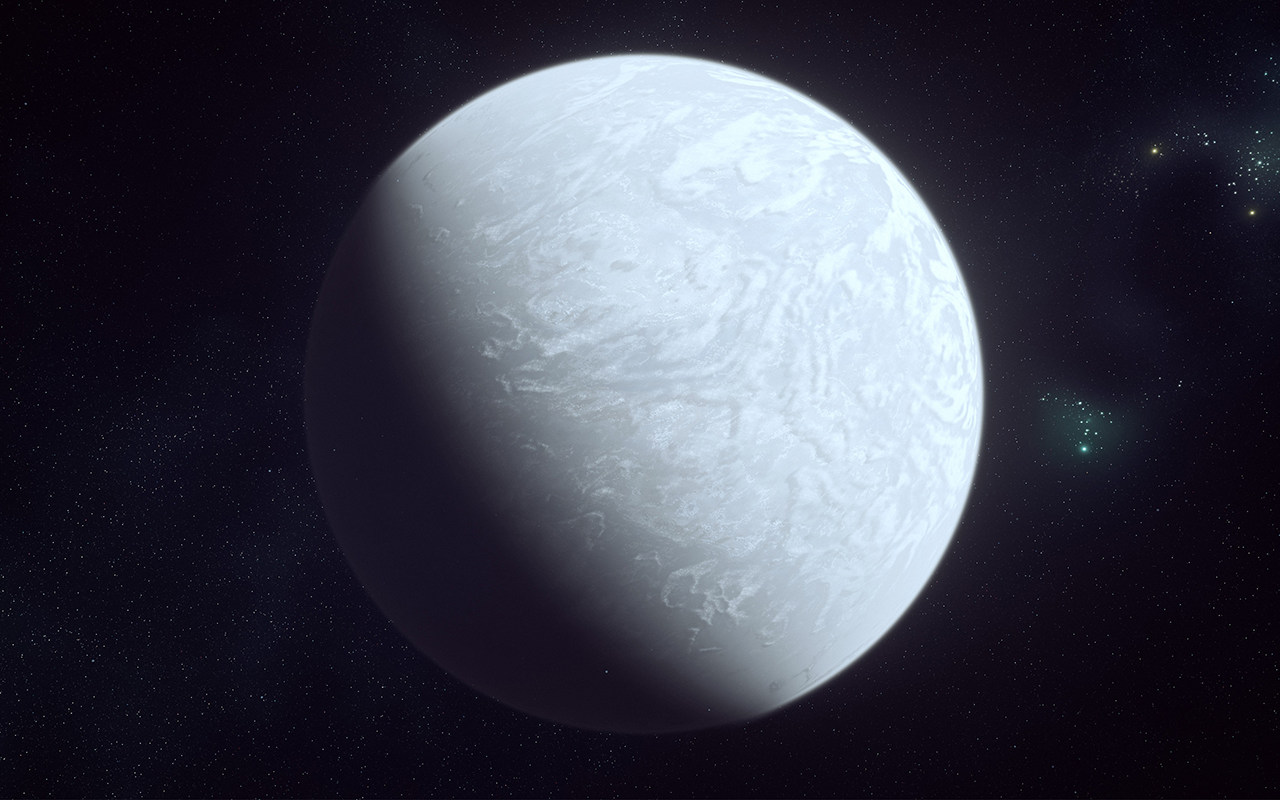
Ita (Stanton 1d)
Ita is the outermost moon of Hurston (Stanton I). Its dusty terrain is dotted with tall rock formations and craters from old meteor impacts. Leadership of Hurston Dynamics chose to name the moon after Chief Warrant…
 Location
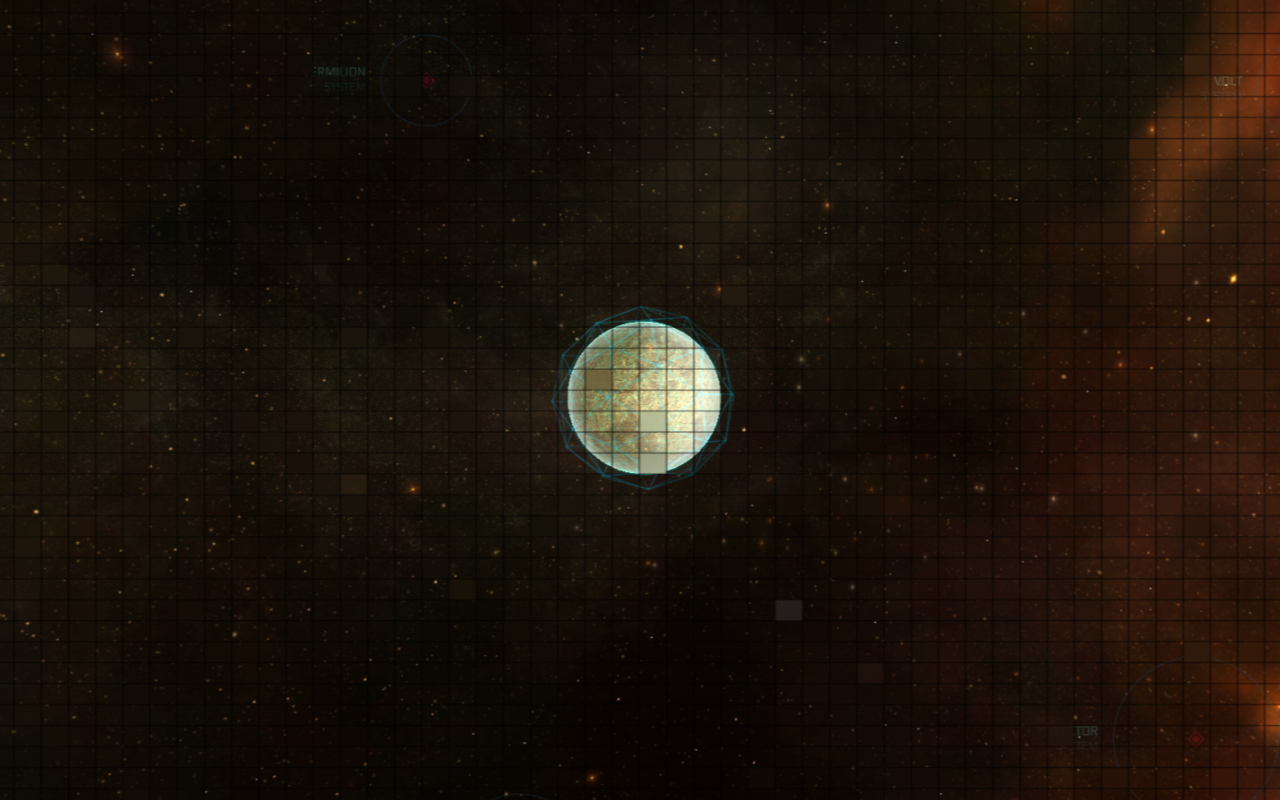
Calliope (Stanton 4a)
Calliope is a cold, windy moon of microTech (Stanton IV), named after the mythical muse of epic poetry and eloquence from ancient Earth (Sol III). Due to the high winds and extreme cold, weather suits worn by visitors…
 Location
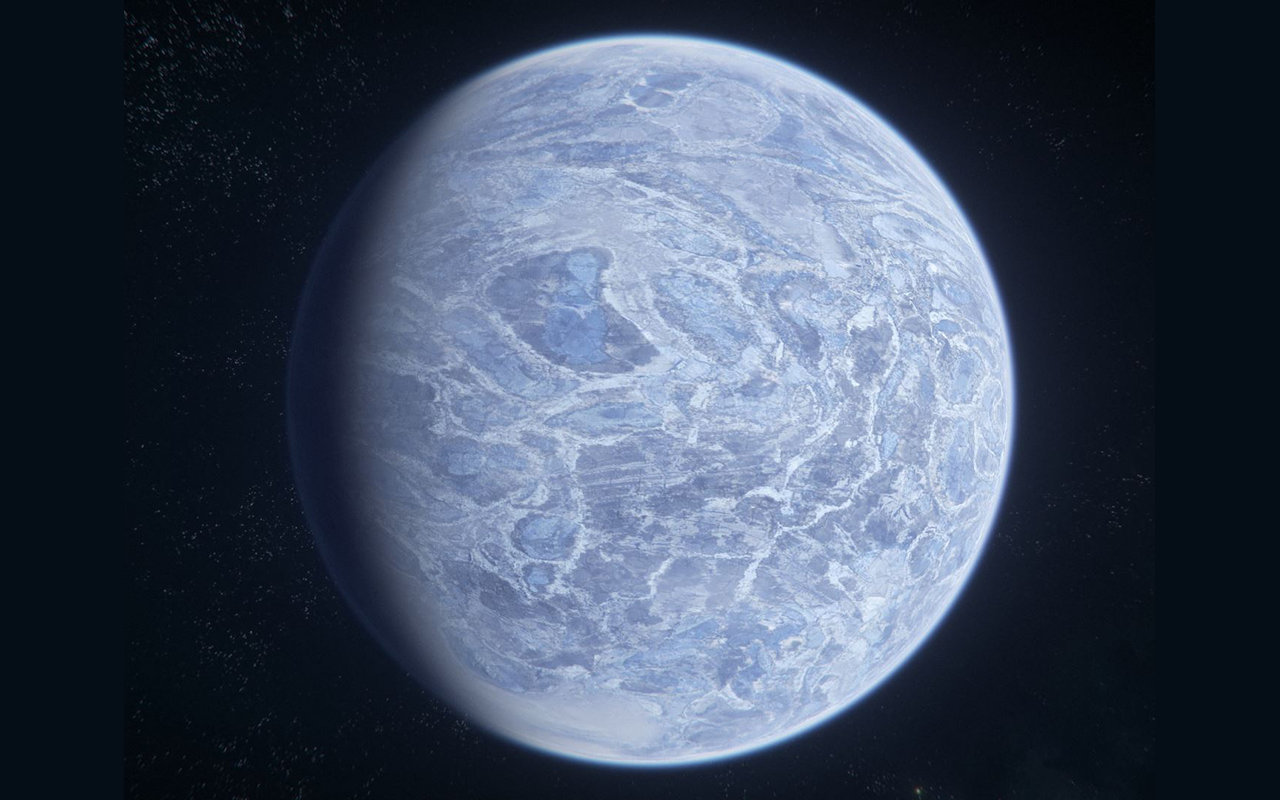
Jarl (Virgil 3b)
Jarl (Virgil 3b) is the second moon from Virgil III, Virgil system, located in Vanduul territory. Instead of a water cycle, it has a methane cycle, fed by the vast fields of methane ice that coat its surface. Gaseous…
 Location
Lyria (Stanton 3a)
Lyria is a natural satellite of ArcCorp (Stanton III) that orbits more closely to the planet than its sister moon, Wala (Stanton 3b). Water ice geysers and cryo-volcanoes force water vapor into Lyria's oxygen and…
 Location
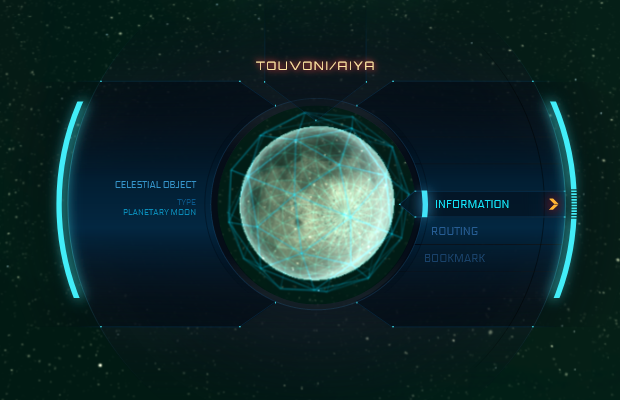
Touvoni/Aiya (Charon 3a)
Touvoni (Charon 3a) is the moon of Charon III, United Empire of Earth (UEE), known as Aiya in Dellin. After Tarquin Klast was elected governor of Dellin in 2944, he passed a popular decree renaming the moon to…
Ariel (Sol 7b)
Ariel (Sol 7b) is a moon of Uranus (Sol VII), United Empire of Earth (UEE). Scientists speculate that the many scarps, canyons, and ridges carved into the moon's surface were created in the distant past by liquid forms…
 Location
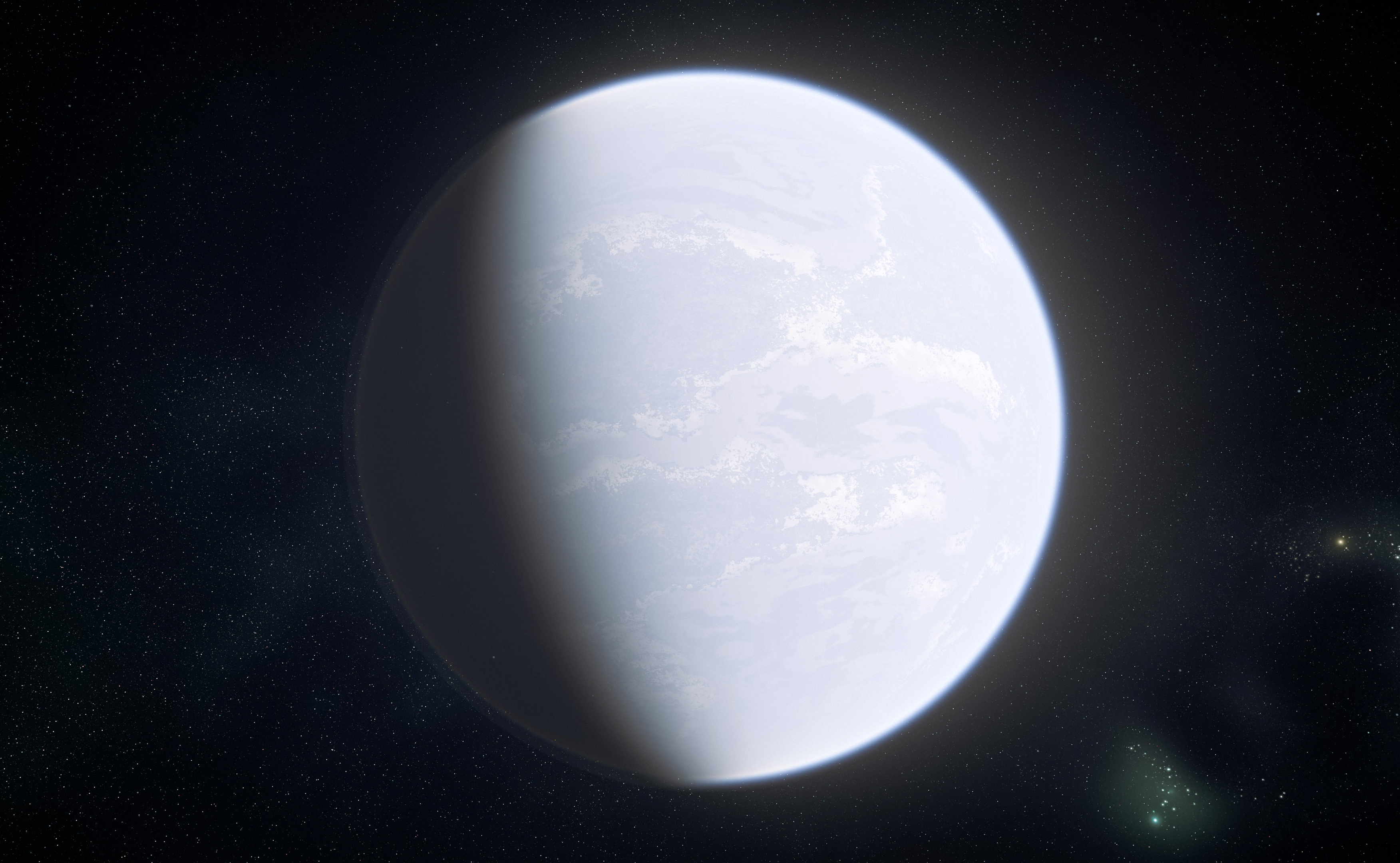
Erna (Virgil 3a)
Erna (Virgil 3a) is the first moon from Virgil III, Virgil system, located in Vanduul territory. Partially coated in water ice, the parts of its surface that are uncovered are rife with deep craters and long, steep, and…
 Location
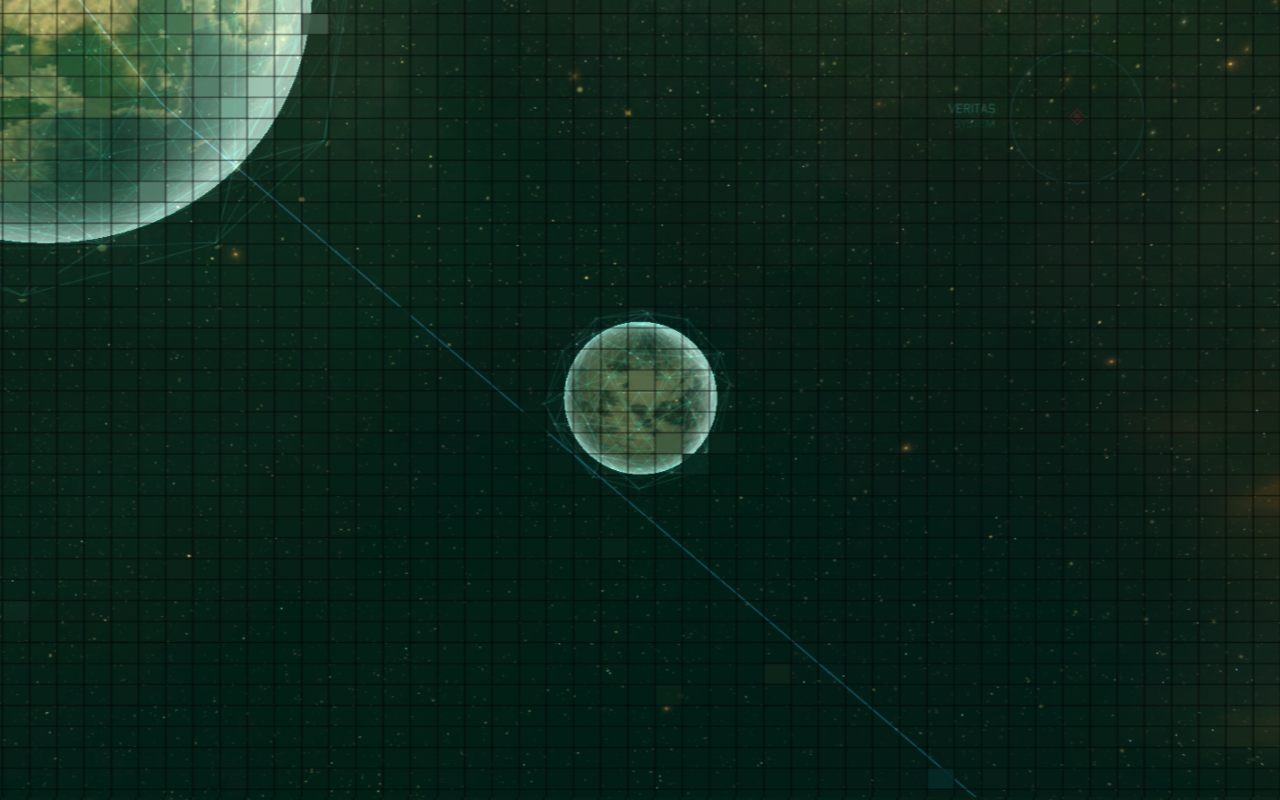
Euterpe (Stanton 4c)
Euterpe is the third and smallest moon of microTech (Stanton IV), named for the ancient Earth (Sol III) muse of music. Largely covered by ice sheets and frozen oceans of water, the landscape of the moon is dotted with…
 Location
Jai (Virgil 1a)
Jai (Virgil 1a) is the first moon from Cyrene (Virgil I), Virgil system, located in Vanduul territory. Composed of silicate and carbon, its pale and largely unmarred surface strongly reflects the light of its sun.…
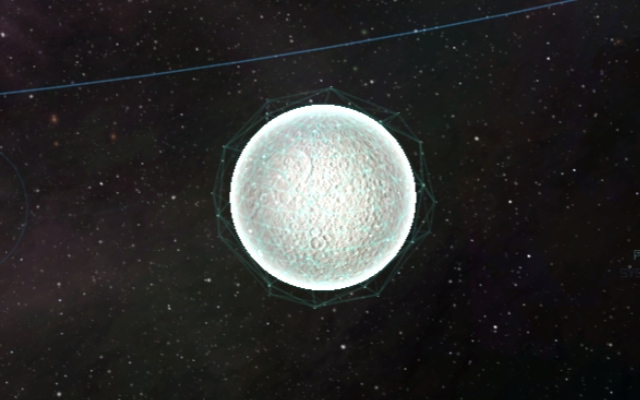
Phobos (Sol 4a)
Phobos (Sol 4a) is the closest moon to Mars (Sol IV), United Empire of Earth (UEE). The larger of the planet's two satellites, it is a non-spheroid object with a jagged surface covered in grooves and streaks. In the…
 Location
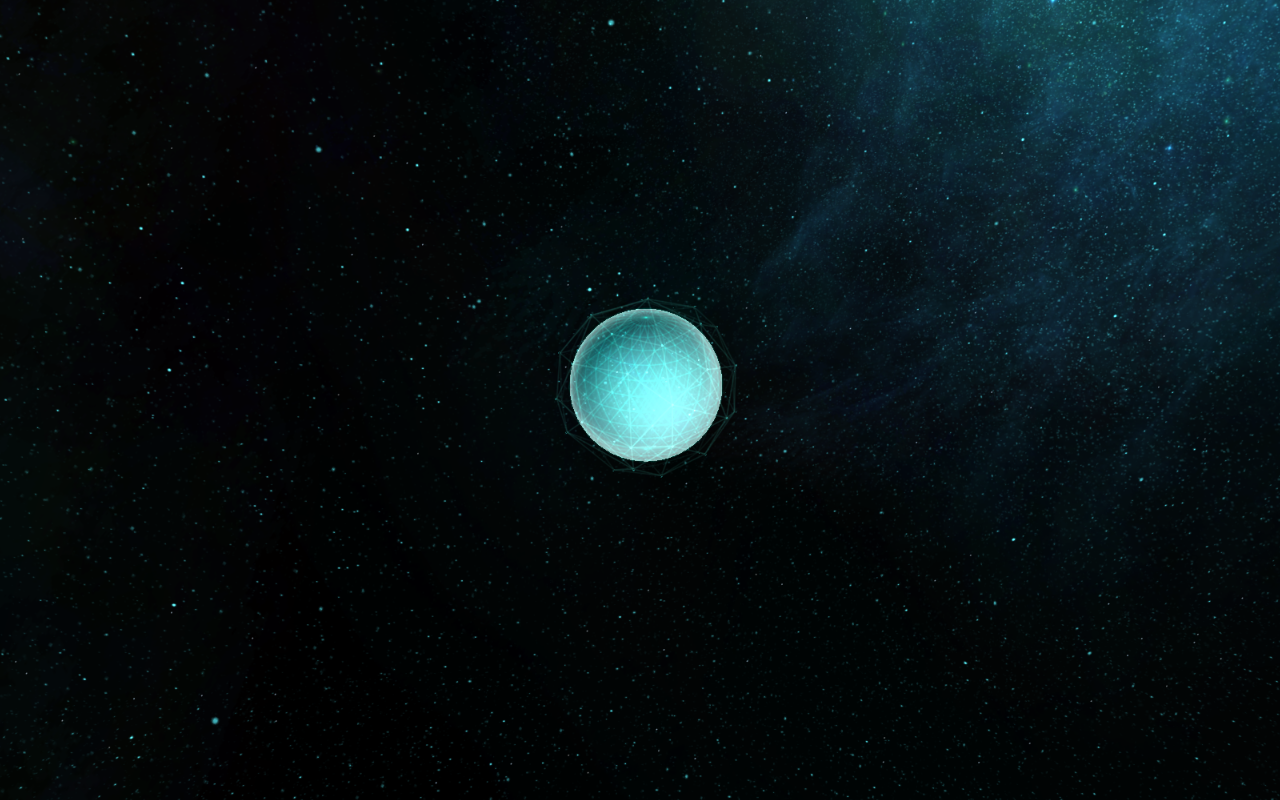
Rhea (Sol 6b)
Rhea (Sol 6b) is a moon of Saturn (Sol VI), United Empire of Earth (UEE). Composed of water ice and rock, it has numerous high-albedo ice cliffs that appear as streaks on the surface when viewed from space with the…
 Location
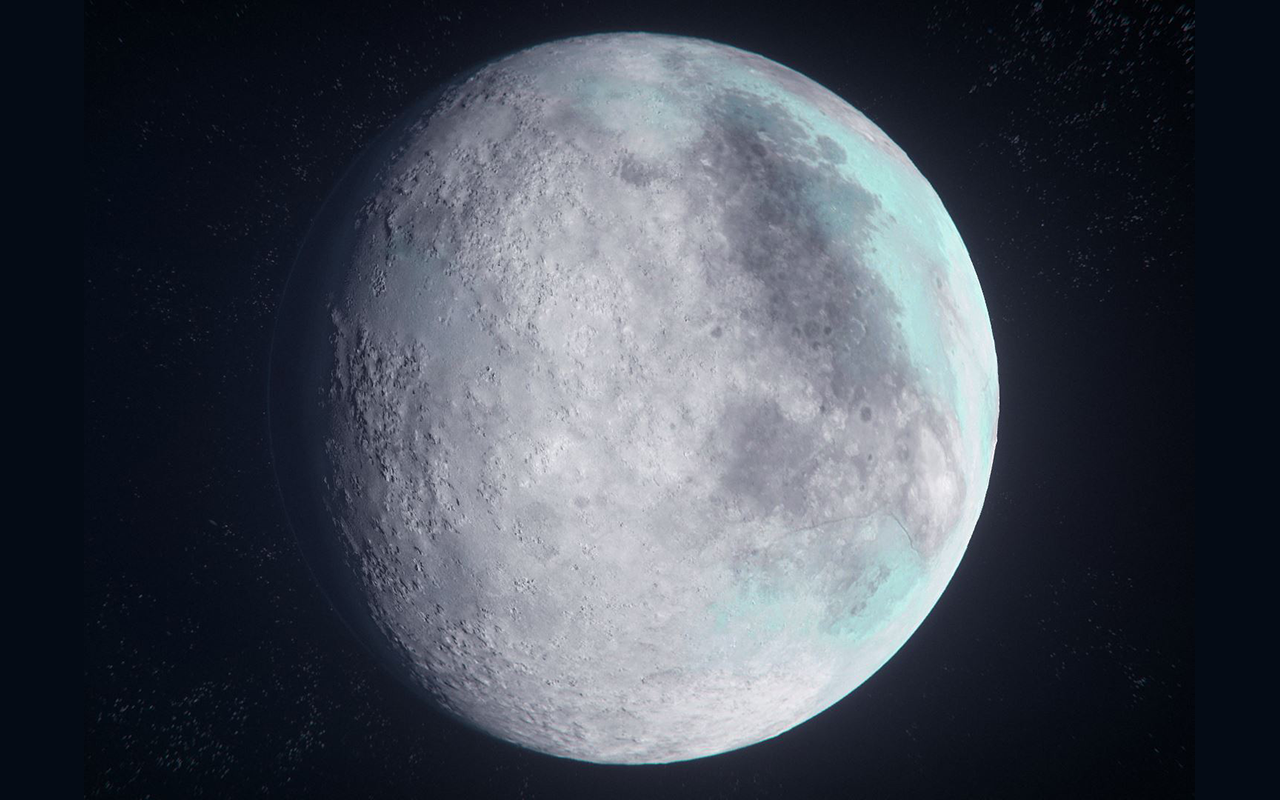
Vili (Odin 2a)
Vili (Odin 2a) is the moon of Odin II, Odin system, United Empire of Earth (UEE). Cold and snowy, the largest settlement on Vili is Raleigh Station, a former base of operations for a now-defunct weapons testing company.…
 Location
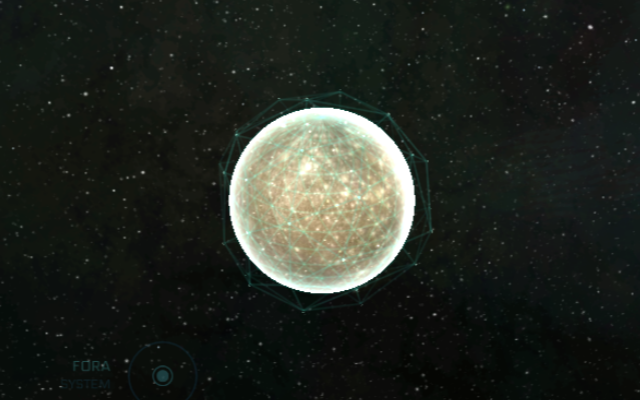
Wala (Stanton 3b)
Wala is the second-closest moon of ArcCorp (Stanton III). Naturally-formed veins of blue-green crystal jutting from the moon's surface are visible from orbit. ArcCorp operates a number of surface mining facilities on…
 Location
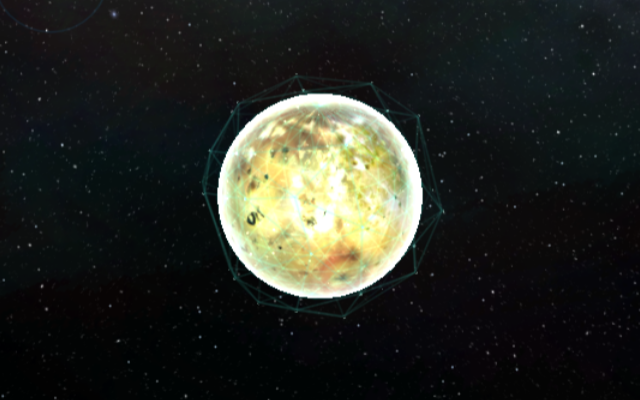
Callisto (Sol 5d)
Callisto (Sol 5d) is a moon of Jupiter (Sol V), United Empire of Earth (UEE). Of all the celestial bodies in the Sol system, Callisto's surface is the most heavily cratered. Because it has never been geologically…
 Location
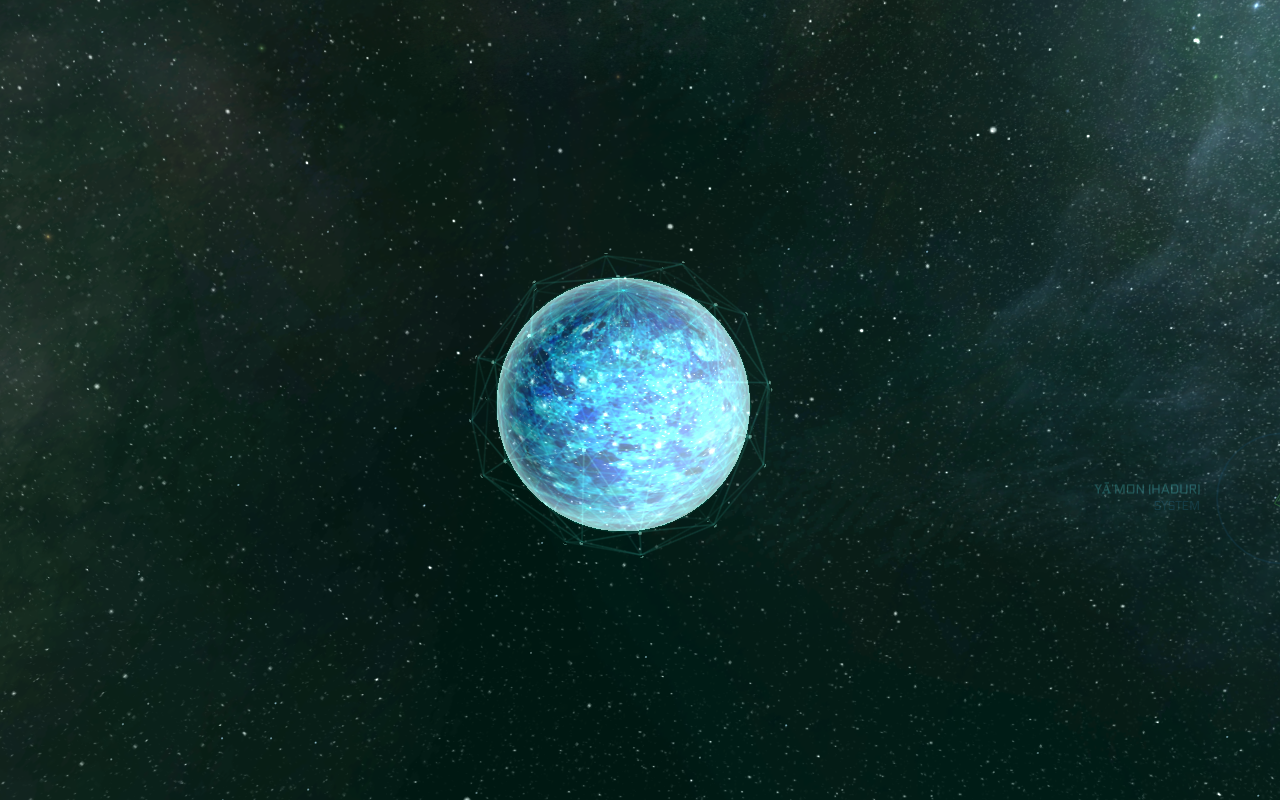
Io (Sol 5a)
Io (Sol 5a) is a moon of Jupiter (Sol V), United Empire of Earth (UEE). Due to tidal heating and the presence of a subsurface ocean of molten and solid rock, Io is the most geologically active object in the Sol system.…
Adir (Pyro 5c)
Adir is the third moon from the gas giant Pyro V, Pyro system. Jagged mountains and rocky hills dominate its crater-ridden landscape. Because it lacks a protective atmosphere that would otherwise break apart most…
 Location
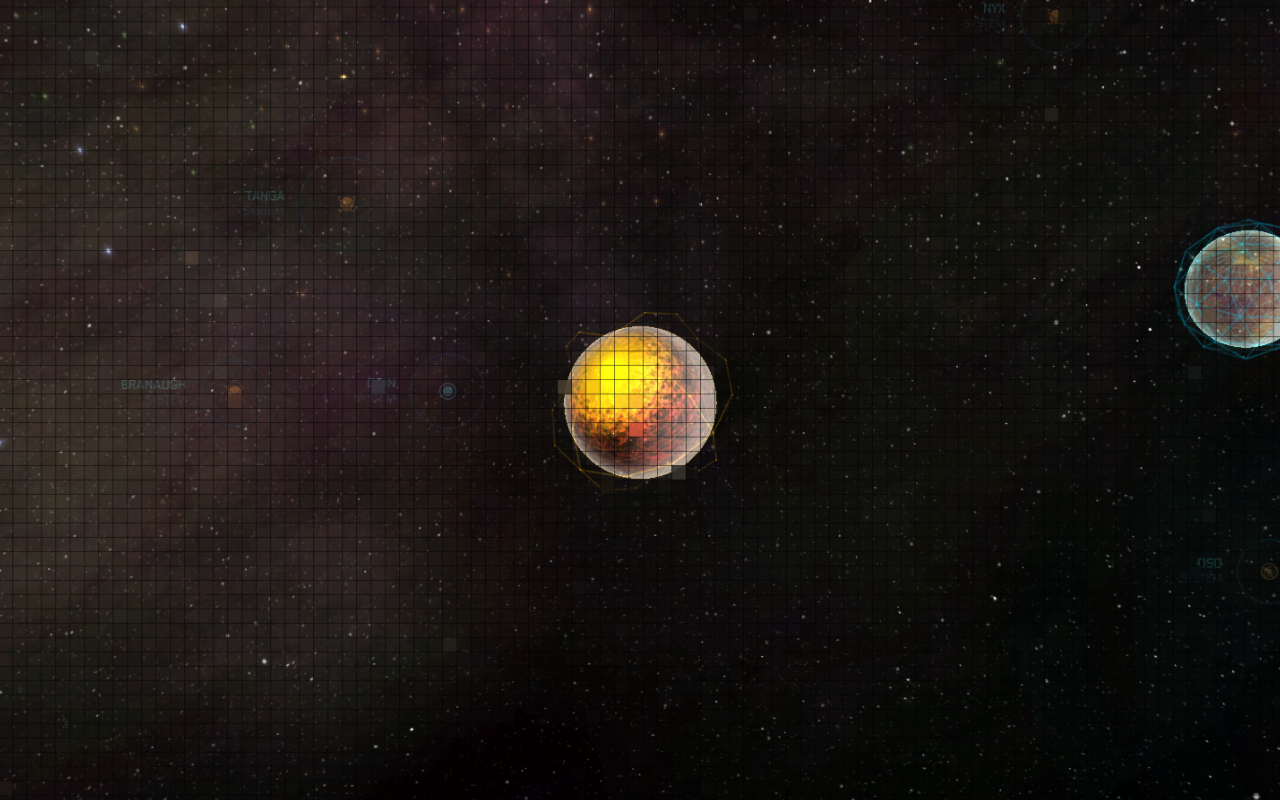
Aemelia (Kiel 3a)
Aemelia (Kiel 3a) is the moon of Severus (Kiel III), United Empire of Earth (UEE). Before the anti-Messer revolution in 2792, the UEE Army utilized its wide icy plains as training grounds for land warfare. There are…
 Location
Caliban 4c
Caliban 4c is the third moon from the gas giant Caliban IV, Caliban system, located in Vanduul territory. Small and dark, its reddish-brown surface is dusted with iron oxide. The abundant presence of carbon dioxide in…
Deimos (Sol 4b)
Deimos (Sol 4b) is the second and farthest moon from the surface of Mars (Sol IV), United Empire of Earth (UEE). At only 6.2 kilometers in diameter, it bears a strong resemblance to an asteroid. One leading theory…
Fairo (Pyro 5d)
Fairo is the fourth moon from the gas giant Pyro V, Pyro system. A hotbed of seismic activity, Fairo experiences frequent earthquakes that disturb its deep oceans of brackish water. The moon has an unusual ecosystem…
Articles © Cloud Imperium, from RSI’s Galactapedia, via the Star Citizen Wiki API.